
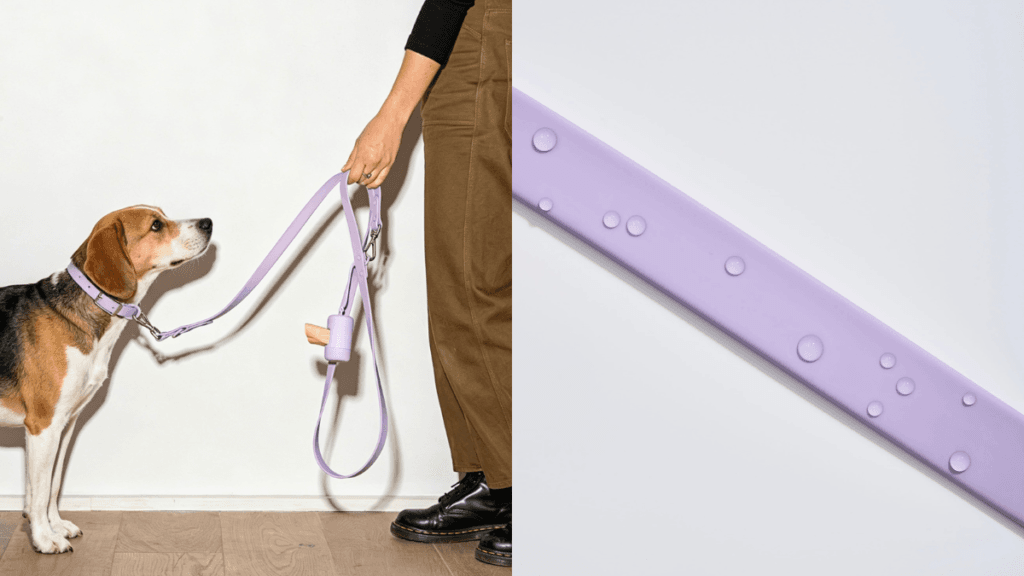
A hands free dog leash does exactly what it sounds like — it attaches to your body rather than your hand, leaving both hands free while your dog walks or runs alongside you. For runners, hikers, and anyone who walks a dog while also managing a pushchair, trekking poles, or a coffee, this is a genuinely useful piece of kit. For everyone else, it may or may not make walks more enjoyable depending on how your dog actually behaves.
The hands free leash is one of those products where the right dog makes it transformative and the wrong dog makes it dangerous. A calm, trained dog on a hands free leash is a pleasure. A strong puller on a hands free leash attached to your waist will pull you off your feet before you have a chance to react.
This guide covers how hands free leashes work, the different types available, what to look for when buying one, and honestly — when a standard leash is still the smarter choice.
How a Hands Free Dog Leash Works
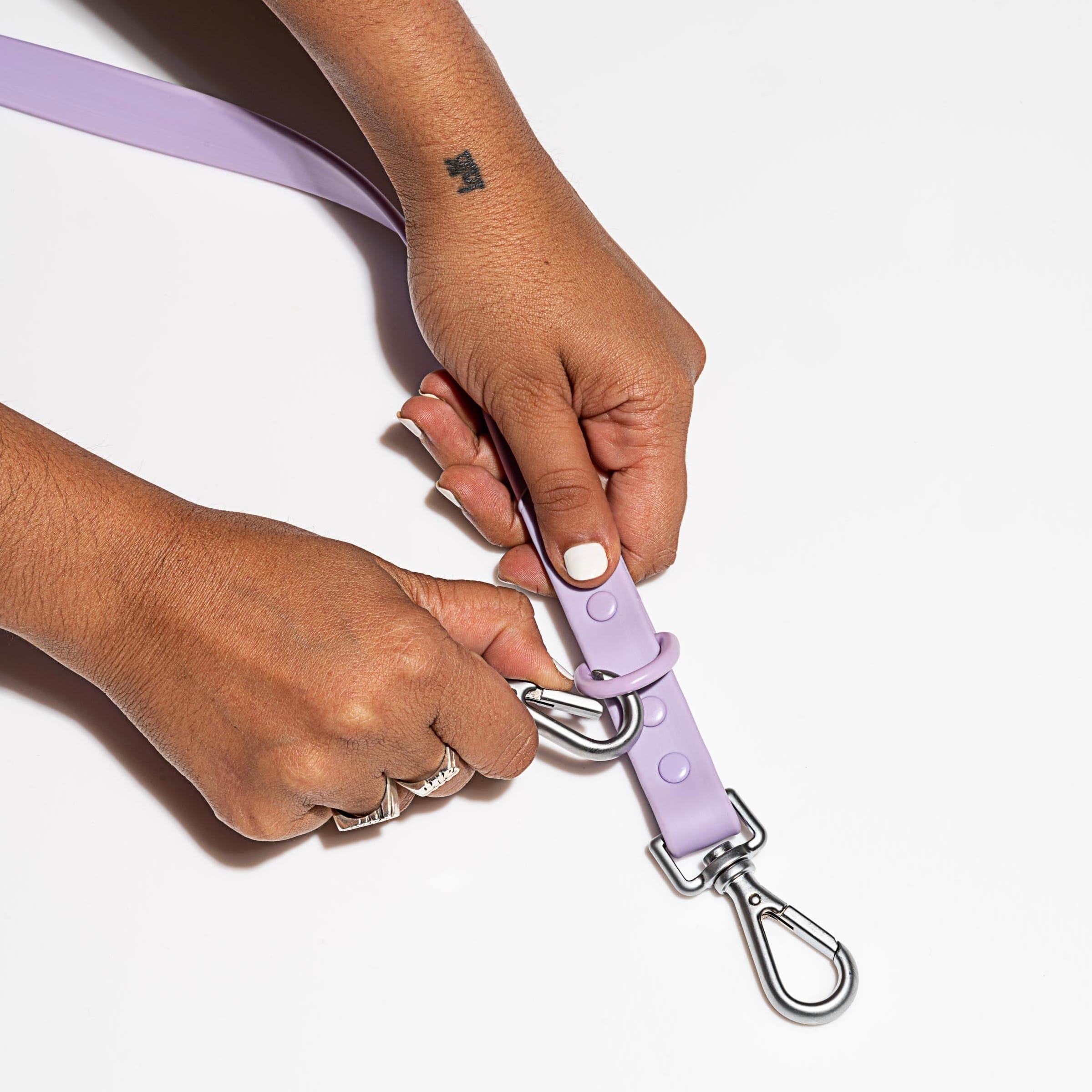
Most hands free leashes attach to the handler via a belt or waist strap. The leash clips to a ring on the belt, and the dog clips to the other end of the leash in the usual way — to a collar D-ring or a harness D-ring. Some designs use a vest or crossbody strap instead of a waist belt, but the waist attachment is the most common for running and walking use.
The key feature that separates hands free leashes from just looping a standard leash around your waist is the bungee or shock-absorbing section. Almost all purpose-built hands free leashes include a bungee cord section that absorbs the sudden force of a dog pulling forward or changing direction — without it, the jolt of a dog lunge transfers directly to your hips and lower back, which is uncomfortable at best and causes falls at worst.
Most hands free leashes also include a hand loop or a short grip section so you can take the leash in hand for close control — near roads, when passing other dogs, or any situation where you need more immediate control than a waist attachment provides.
Types of Hands Free Leash
Waist belt leash
The most common type — a padded belt that goes around the waist with one or more attachment rings. The leash clips to the ring and hangs between you and the dog. Most include a bungee section and a hand loop. Good for running, hiking, and hands-free walking with a calm to moderate dog. Not suitable for strong pullers, as the force transfers directly to the lower back.
Crossbody leash
A longer leash that goes over one shoulder and across the body, with the dog attached at hip level. Distributes force more evenly than a waist belt but gives less freedom of movement — the diagonal strap restricts arm swing, which most runners find uncomfortable. Better suited to walking than running.
Convertible leash
A standard leash that converts to hands free use through multiple clip points — it can be held in the hand, looped around the waist, or clipped across the body depending on the situation. Less purpose-built than a dedicated hands free leash but more versatile if you want one leash that covers multiple uses. The bungee section is often absent in convertible designs, which is a meaningful safety difference for runners.
Vest or running harness for the handler
Some running-specific designs attach the leash to a vest worn by the handler rather than a belt. These distribute force across the torso rather than concentrating it at the waist, which is more comfortable for very active dogs. Less common and more expensive, but worth considering if you run regularly with a large, energetic dog.
When a Hands Free Leash Makes Sense
A hands free leash is genuinely useful in these situations:
Running with a calm, trained dog
This is the primary use case. Holding a leash while running disrupts arm swing, creates an uneven running gait, and causes hand fatigue on longer runs. A waist belt leash with a bungee section lets the dog run alongside you with both arms free. The bungee absorbs the small changes in pace and direction that happen naturally when running, making the experience comfortable for both dog and handler.
Hiking with trekking poles
Holding a leash while using trekking poles means one pole is always in the leash hand, which defeats the purpose of having two poles. A hands free leash frees both hands for poles while keeping the dog safely attached. The waist attachment also keeps the leash out of the way on technical terrain where you need both hands for balance.
Walking while managing other things
Parents with pushchairs, people carrying shopping, anyone who regularly walks the dog while also needing both hands for something else. The hands free leash keeps the dog safely attached without requiring one hand to be permanently occupied with the leash handle.
Training loose-leash walking at pace
Some trainers use waist leashes for loose-leash training because the attachment point at the hip encourages the dog to walk alongside the handler’s body rather than ahead of or behind them. The dog naturally learns the correct position relative to the handler’s body when the attachment point is at the hip rather than at arm’s length ahead of it.

When a Hands Free Leash Is the Wrong Choice
This is the part most hands free leash reviews skip — and it matters more than the features list.
Dogs that pull hard
A strong puller on a waist leash will pull you off balance. There is no way to brace against a sudden forward lunge the way you can when holding a leash in your hand — the force goes directly from the dog’s body to your hips, and your centre of gravity shifts forward faster than you can react. Even with a bungee section, a large dog that suddenly lunges toward another animal can pull a handler off their feet. If your dog pulls at all, fix the pulling before switching to a hands free leash — do not use the hands free leash as a solution to pulling.
High-traffic or unpredictable environments
Near roads, in busy areas, or anywhere where you need to stop your dog quickly and precisely, a hands free leash gives you less immediate control than a hand-held leash. The response time between deciding to stop the dog and applying force through the waist attachment is longer than through a hand grip. In situations where a split-second response matters, a hand-held leash is safer.
Reactive dogs
A dog that lunges at other dogs, people, or stimuli is genuinely dangerous on a hands free leash — the sudden lunge force at waist level can rotate your body or pull you down before you have any chance to brace. A reactive dog needs the immediate control of a hand-held leash, ideally with a front-clip no-pull harness, not a hands free attachment.
What to Look for When Buying a Hands Free Leash
A bungee section rated for your dog’s size
The bungee is the most important safety feature. It absorbs the shock of sudden movements so the force does not transfer directly to your body. Check the maximum weight rating on the bungee — a bungee rated for a 15kg dog will not provide meaningful shock absorption for a 35kg dog. Most quality hands free leashes specify a maximum dog weight; take it seriously.
A padded, adjustable waist belt
The belt needs to fit snugly enough not to ride up or slide around under load, with enough padding that the attachment ring does not dig into your hip when the dog pulls. A belt that fits a range of waist sizes matters — one that is too short cannot be tightened enough to stay in place, and one that is too long flaps around and creates an inconsistent attachment point.
A hand loop or grip section
For the moments when you need to take the leash in hand — passing another dog, crossing a road, entering a busy area — a hand loop lets you quickly take control without unclipping anything. This should be a standard feature on any hands free leash; if it is not present, the leash is not practical for real-world walking.
Secure, quality hardware
The clip that attaches the leash to the dog is under repeated dynamic load on a hands free leash — every stride, every direction change, every lunge puts force through it in a different way than a hand-held leash. A 360-degree swivel clip prevents twisting that accumulates under this kind of use and reduces stress on the attachment point. Zinc alloy hardware holds up better than plastic or low-grade metal under repeated dynamic loading.
Appropriate leash length
For running, a shorter leash — around 1.2m from belt to clip — keeps the dog close enough to run alongside you without getting underfoot. A longer leash gives more freedom on hiking trails but can become a trip hazard at running pace. Some hands free leashes are adjustable in length, which is the most practical option if you use the leash for both running and hiking.
What to Attach the Leash To: Collar or Harness?
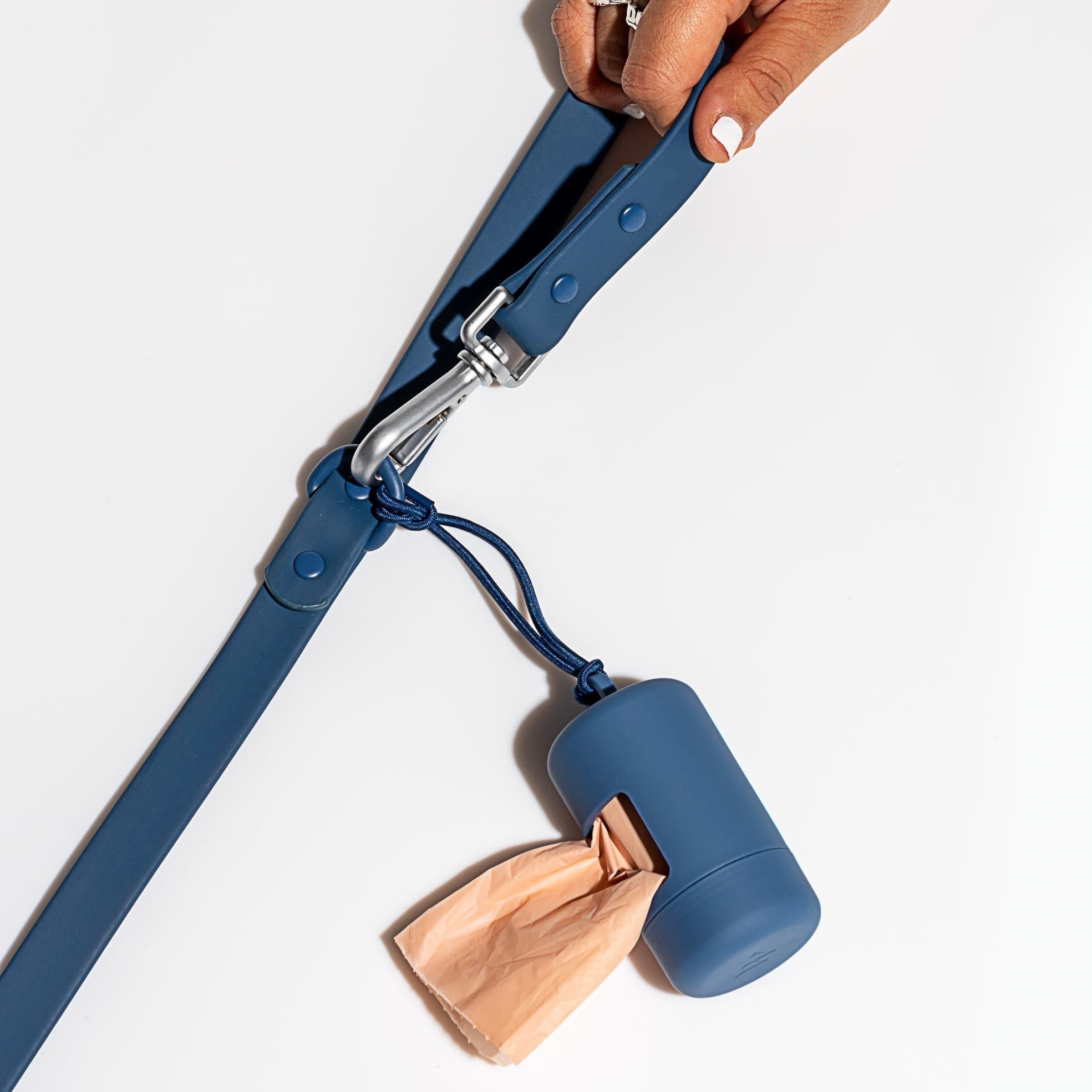
For hands free use — particularly running — a harness is the better attachment point than a collar. The waist attachment creates a slightly different force angle than a hand-held leash, and the force of the dog’s movement at pace is sustained rather than intermittent. Sustained force through a collar puts repeated pressure on the trachea that is more problematic than the occasional pull during a standard walk.
A back-clip harness is the standard attachment point for running — the back D-ring allows natural forward movement without restriction. The front-clip D-ring on a no-pull harness is not the right attachment for running, as it creates lateral force that interrupts the dog’s natural running gait. Save the front clip for walking and leash training; use the back clip for running.
The MoonianPet No-Pull Dog Harness has both front and back D-rings — front clip for leash training and walking, back clip for running and hands free use. The neoprene padding keeps the harness comfortable through longer running sessions, and the secure buckle design means the harness stays in place under the sustained movement of a run. Not sure which size? The dog harness size guide covers measurement in under two minutes.
Using a Standard Leash Hands Free: The Practical Workaround
If you want to try hands free walking before investing in a dedicated belt, a standard leash can be used hands free by looping it through your belt and clipping it back on itself. This works for calm dogs on low-traffic walks — it is not a substitute for a purpose-built hands free leash with a bungee for running or for use with energetic dogs, because there is no shock absorption and the improvised connection point is not as secure.
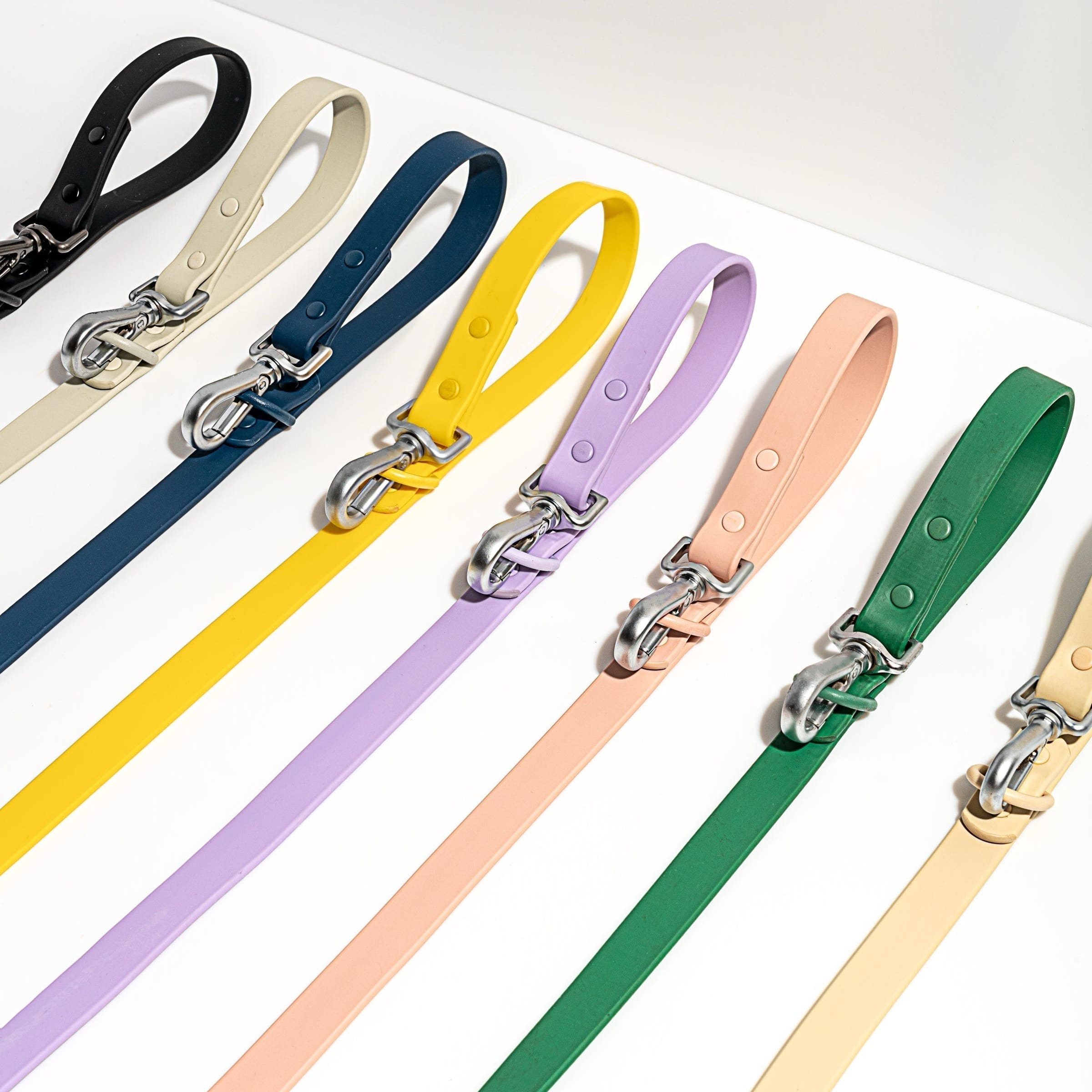
The MoonianPet Waterproof Leash works well as a convertible option — the 1.8m length gives enough slack to loop around a waist belt for casual hands free walking, while the 360-degree swivel hook and robust PVC coating handle the repeated movement without degrading the way fabric leashes do. Available in 11 colors, in both 1.2m and 1.8m lengths.
Frequently Asked Questions
Are hands free dog leashes safe?
For calm, well-trained dogs — yes. For dogs that pull, lunge, or are reactive — no. The safety of a hands free leash depends almost entirely on the dog’s behaviour, not the leash itself. A hands free leash removes the ability to quickly brace against or redirect a sudden movement, which makes it genuinely dangerous with any dog that is not reliably calm on a standard leash first.
Can I use a hands free leash with a large dog?
Yes, if the dog is calm and trained — but the bungee rating and belt quality matter more with large dogs. Check the maximum weight rating on the bungee section, use a quality padded belt that fits snugly, and always have the hand loop available for situations where you need to take the leash in hand quickly. With a large dog, the consequences of a fall from a sudden lunge are more serious, so being conservative about when to use the hands free leash is more important.
Should the leash attach to a collar or harness for hands free use?
Harness, specifically the back D-ring. The sustained force of running or active walking transfers more continuously through a hands free leash than through a hand-held leash, and a collar concentrates that force on the trachea. A back-clip harness distributes it across the chest and shoulders, which is safer and more comfortable for longer activity sessions. The front-clip D-ring on a no-pull harness is not appropriate for running — it creates lateral force that disrupts the dog’s natural gait.
How long should a hands free leash be for running?
Around 1.2m from belt to clip is the practical length for running — close enough that the dog runs alongside you rather than ahead, without being so short that the dog’s movement is constrained. At this length, the dog’s head should be roughly level with your hip during a normal running stride. Longer leashes allow the dog to range further ahead, which can create a tripping hazard at pace.
My dog pulls on a standard leash. Will a hands free leash help?
No — and it will make the problem more dangerous. A dog that pulls on a hand-held leash will pull harder on a hands free leash once they learn the attachment is at your waist rather than your hand. Fix the pulling first with a front-clip no-pull harness and consistent loose-leash training, then introduce the hands free leash once the dog is walking calmly. Our guide on how to stop a dog from pulling on the leash covers the techniques that work.
If you are planning to run with your dog, see our guide on running with your dog for the full setup and what to consider before you start. For harness sizing before your first run, the dog harness size guide covers measurement in detail.
Wenyue
Wenyue is the founder of MoonianPet and writes about dog collars, harnesses, waterproof pet gear, and everyday dog care. Growing up with dogs inspired her lifelong interest in pet care and practical dog gear. Through MoonianPet, she researches dog collars, harnesses, waterproof materials, and everyday solutions that help active dogs stay comfortable during daily adventures.