
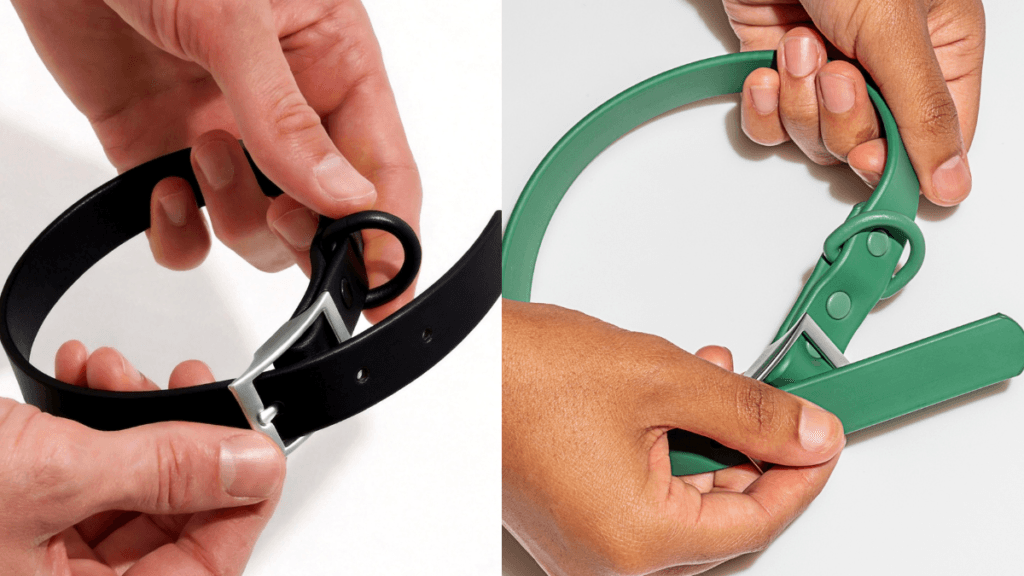
Most dog owners put a collar on their dog within the first day of bringing them home and rarely think about it again — it becomes as automatic a part of the dog’s daily existence as their bowl or bed. But every so often, a moment of doubt creeps in: does the dog actually not mind the collar, or have they just given up trying to remove something they can’t get off?
It’s a fair question, and one that doesn’t have a single blanket answer. A properly fitted, well-chosen collar is genuinely a non-issue for the vast majority of dogs once they’ve adjusted to it. But “properly fitted and well-chosen” is doing real work in that sentence — an ill-fitting, low-quality, or improperly introduced collar is a different story, and the signs a dog gives when something is actually bothering them are worth knowing.
This guide covers what actually happens when a dog first wears a collar, how to tell the difference between normal adjustment and genuine discomfort, and what changes the answer for individual dogs.

What Actually Happens When a Dog First Wears a Collar
Initial awareness, then habituation
Most dogs notice a new collar immediately — pawing at it, shaking their head, or trying to scratch it off in the first few minutes. This is a normal reaction to an unfamiliar sensation, not a sign of pain or distress. In the vast majority of cases, this awareness fades within a few hours to a couple of days as the dog habituates to the sensation and stops actively noticing it, much like a person forgets they’re wearing a watch after the first few minutes.
Why dogs don’t try to remove a collar after adjustment
Once habituated, a dog isn’t tolerating discomfort in silence — the collar has genuinely dropped out of their active sensory attention, similar to how humans stop noticing the feel of clothing against their skin shortly after getting dressed. This is different from “giving up” on removing something unpleasant; it’s the nervous system deprioritising a constant, non-threatening stimulus, which is a well-documented sensory adaptation process across species, not unique to dogs or to collars.
Individual variation matters
Some dogs habituate within minutes; others take a few days of intermittent scratching before it stops. Puppies, rescue dogs new to collars, and individually more sensitive dogs may take longer to adjust than a dog that’s worn a collar since early puppyhood. This variation is normal and isn’t itself a sign that something is wrong with the collar.
Signs a Collar Is Actually Bothering Your Dog
Persistent scratching beyond the normal adjustment period
Occasional scratching in the first day or two is normal adjustment behaviour. Scratching that continues consistently a week or more after a new collar is introduced is a signal worth investigating — check for a fit issue, an allergic reaction to the material, or hair caught in the buckle mechanism. See our dog scratching collar guide for a full troubleshooting breakdown.
Visible marks, hair loss, or irritation at the contact area
A collar that’s too tight leaves a visible indent or rubs a bald patch into the coat over time — this is a genuine welfare concern, not a normal adjustment sign, and calls for an immediate refit or a wider, softer material. Redness or flaking under the collar can also indicate a material allergy rather than a sizing issue.
Avoidance behaviour when the collar comes out
A dog that runs away, flattens its ears, or shows other clear stress signals specifically when the collar is retrieved — as opposed to general excitement or wariness of any handling — is showing a learned negative association, often from an uncomfortable past experience with that specific collar or a rushed, forceful first fitting. This is different from the brief scratching most dogs show and is worth addressing directly rather than pushing through.
What Makes a Collar More Comfortable to Wear Long-Term
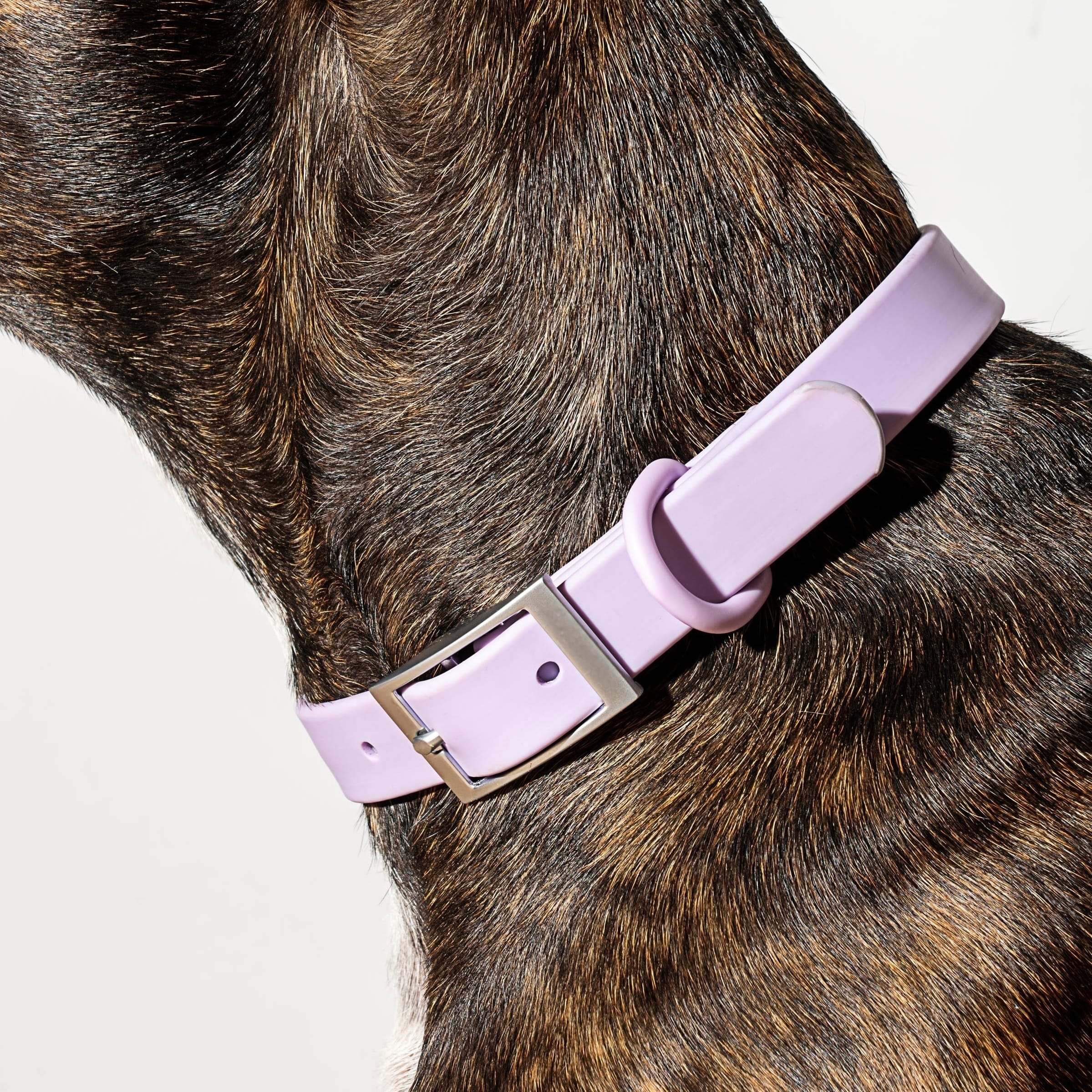
Beyond correct fit, the material itself affects how a collar feels over weeks and months of continuous wear. Stiff, unpadded materials can chafe at the coat over time, and absorbent fabrics that stay damp after rain or swimming can irritate the skin underneath. A smooth, flexible, non-absorbent material like the MoonianPet Waterproof Dog Collar‘s PVC-coated webbing stays comfortable against the skin whether the dog has been swimming, walking in the rain, or simply wearing it day after day, since it doesn’t hold onto moisture the way fabric collars do.
Available in 11 colours across a full size range, it’s built to be worn continuously without the drying-out, stiffening, or odour build-up that eventually make some fabric collars less comfortable over time. Check our dog collar size guide to get the fit right from the start.

Frequently Asked Questions
How long does it take a dog to get used to a new collar?
Most dogs stop actively noticing a new collar within a few hours to a couple of days. Some individual dogs, especially puppies or rescue dogs unfamiliar with collars, may take longer — occasional scratching during this window is normal and isn’t a sign the collar is a poor fit.
Is it cruel to make a dog wear a collar all the time?
A correctly fitted, appropriately sized collar worn continuously is not a welfare concern for most dogs and serves an important safety function by holding ID information at all times. The exception is during unsupervised crate time or play with other dogs where a collar could snag on something — many owners remove the collar specifically in those situations and put it back on afterward.
Why does my dog scratch at their collar even after weeks of wearing it?
Persistent scratching well beyond the initial adjustment period usually points to a specific cause rather than ongoing general discomfort — a fit that’s become too tight or loose, hair caught in the buckle, a material allergy, or an unrelated skin irritation underneath the collar. Check the fit and inspect the skin directly rather than assuming it’s simply normal collar wear.
Do some dogs never get used to wearing a collar?
This is uncommon once fit and material issues are ruled out, but it does happen, particularly with dogs that had a negative early experience with a collar or an underlying sensory sensitivity. If a dog continues showing genuine distress well beyond a reasonable adjustment period despite a good fit, a harness may be a more comfortable primary option, with the collar reserved for ID purposes only.
How do I introduce a collar to a puppy or rescue dog for the first time?
Put the collar on for short periods at first, paired with a treat or a moment of play, and gradually extend the time worn over several days rather than leaving it on continuously from the start. This positive, gradual approach reduces the likelihood of the dog forming a negative association with the collar.
If your dog is still scratching at their collar after the usual adjustment period, see our dog scratching collar guide for troubleshooting steps. For the right fit from day one, our how tight should a dog collar be guide covers the two-finger rule in detail.
Wenyue
Wenyue is the founder of MoonianPet and writes about dog collars, harnesses, waterproof pet gear, and everyday dog care. Growing up with dogs inspired her lifelong interest in pet care and practical dog gear. Through MoonianPet, she researches dog collars, harnesses, waterproof materials, and everyday solutions that help active dogs stay comfortable during daily adventures.