
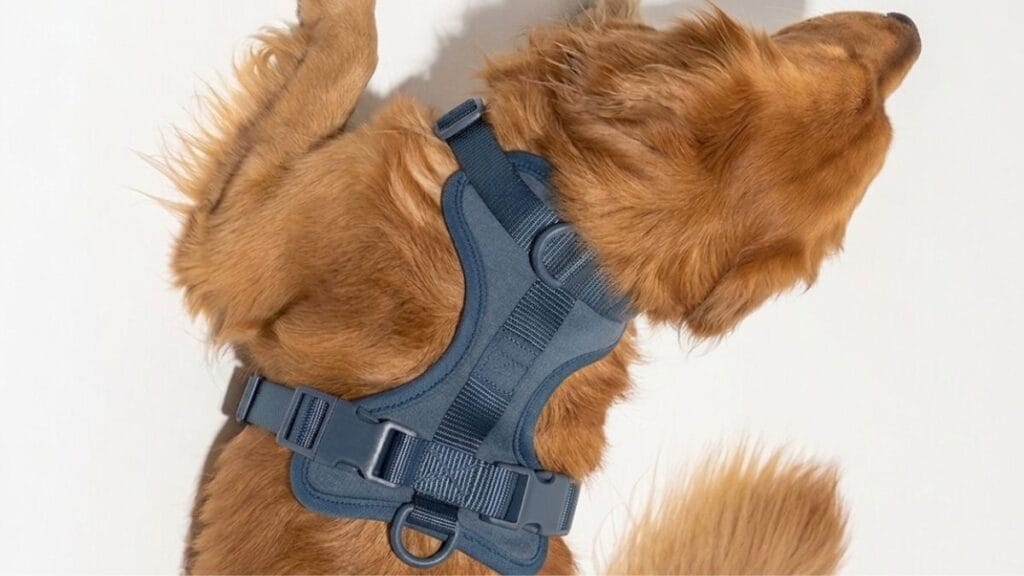
Somewhere between “still runs to the door when the leash comes out” and “needs real support to get around,” there’s a long stretch where a dog is simply getting older — not sick, not disabled, just slower, stiffer, and a little more careful with their own body than they used to be. Most senior dogs live in this stretch for years, and it’s easy to keep using the same harness they’ve always worn without noticing it’s no longer quite right for them.
This is a different situation from a dog who needs a dedicated mobility or lifting harness for a diagnosed condition. It’s about the ordinary, gradual stuff — a bit less flexibility, skin and joints that don’t tolerate rough material or pressure the way they used to, and a dog who benefits from gear that’s simply gentler and easier to manage than what worked fine at two years old.
This guide covers what actually changes for an aging dog’s harness needs, what to look for, and how to tell the difference between “getting older” and “needs more support than a standard harness can give.”

What Actually Changes as Dogs Age
Thinner skin, more sensitive pressure points
Older dogs often have less fat padding and thinner skin than they did as adults, which means the same harness pressure that was never noticeable at five years old can start to feel uncomfortable or even cause chafing at ten or twelve. Straps that once sat fine can start rubbing in ways they didn’t before.
Reduced flexibility
Stiffer joints make it harder for a dog to lift a leg through a step-in harness or hold still comfortably while a harness goes over the head. A design that’s easy to put on without much bending or maneuvering becomes more valuable than it was at a younger age.
Weight changes
Senior dogs commonly lose muscle mass even without losing much overall weight, which changes how a harness sits — a fit that was snug and correct a year or two ago can shift and become loose in some areas, tight in others, simply from the change in body shape.
Lower tolerance for sudden pressure
A young dog lunging against a harness might shrug it off without a second thought; an older dog with arthritis or general joint sensitivity can find the same sudden pressure genuinely uncomfortable. A well-fitted, well-padded harness matters more for comfort at this stage, not just for control.
What to Look For in a Senior Dog’s Harness
Soft, breathable padding
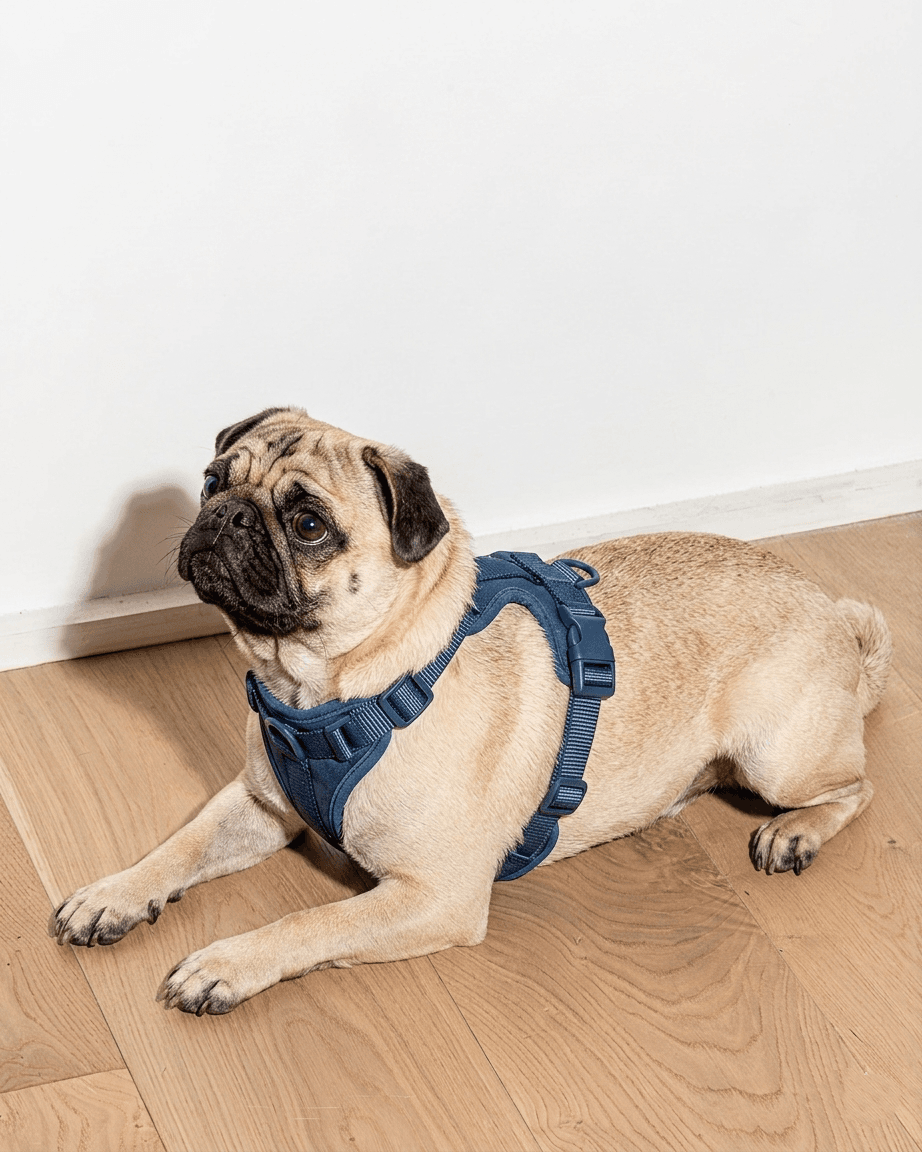
Padding at the chest and along the straps reduces the pressure-point discomfort that thinner, more sensitive skin is prone to. This matters more for a senior dog than it did earlier in life, even if the dog’s actual activity level and pulling behavior haven’t changed.
An overhead design over a step-in
A harness that settles into place over the head and clips at the back generally asks less of a dog’s joints and balance than a step-in style, which requires lifting each leg individually while balancing on the others.
Multiple adjustment points
A harness that only adjusts in one or two places is harder to fine-tune as a dog’s shape gradually changes. Multiple adjustment points make it easier to keep the fit accurate over time without needing to replace the whole harness every time weight shifts slightly.
Lightweight material
A heavy, bulky harness adds noticeable extra load for a dog with less muscle to carry it comfortably. A lighter build reduces that burden without compromising on security, which matters more as strength gradually declines.
Signs Your Dog Needs More Than a Standard Harness
A soft, well-fitted everyday harness covers most of the ordinary aging process. But some signs point toward needing dedicated mobility support rather than just a gentler standard harness: real difficulty with stairs, hesitating or refusing to jump into the car, visible struggle standing up from lying down, or a back or hip that seems to be giving out during normal movement.
If any of that sounds familiar, it’s worth reading our guide to harnesses for disabled and mobility-limited dogs, which covers lifting handles and dedicated support systems — a different category of product built specifically for that level of need, rather than the everyday comfort focus of this guide.
A Gentle, Adjustable Option for Everyday Wear
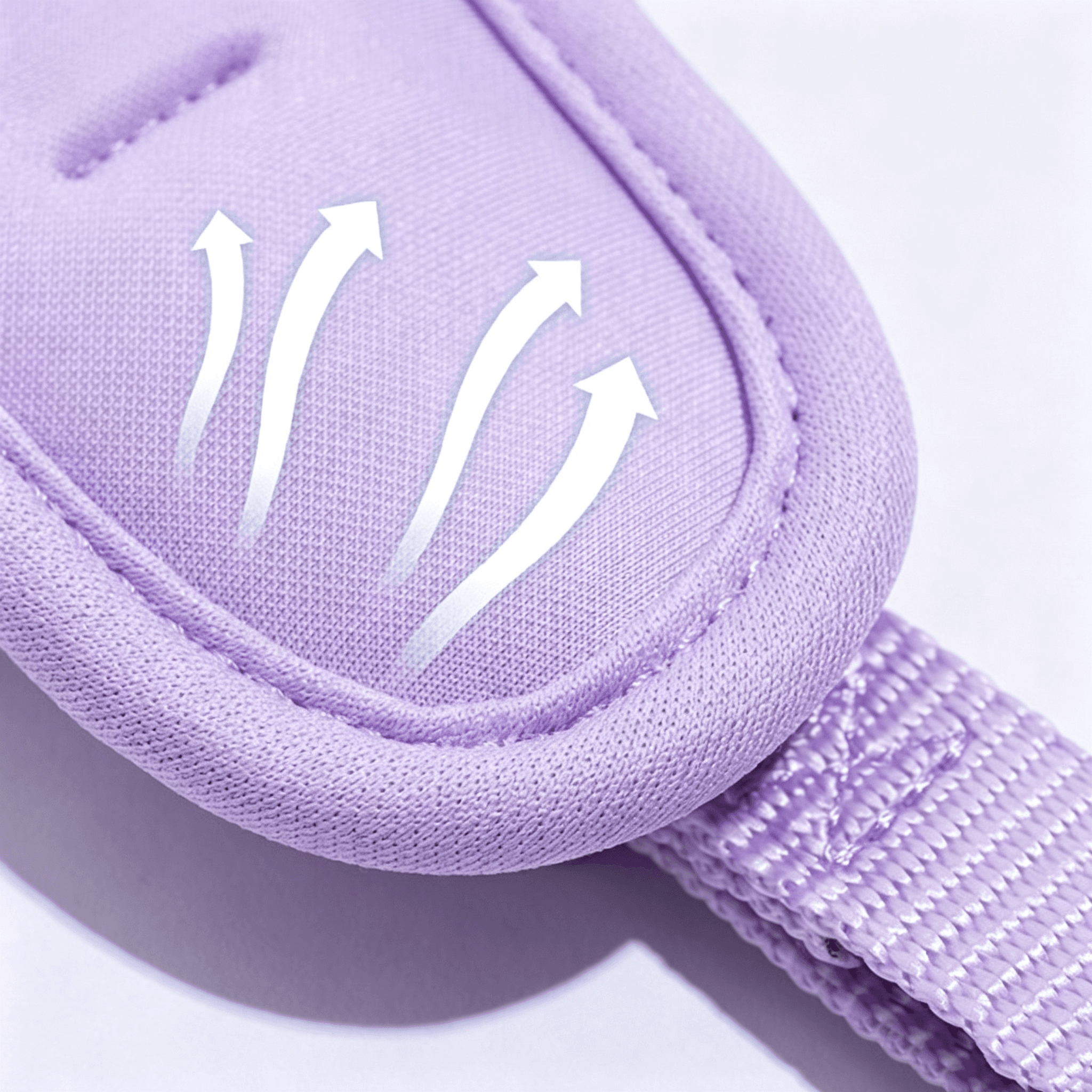
For the ordinary, gradual side of aging — a dog who’s simply a bit slower and softer than they used to be, without a specific condition requiring dedicated support — the MoonianPet No-Pull Dog Harness covers most of what changes with age. The breathable neoprene padding sits gently against more sensitive skin, and the three-point adjustment system makes it easy to fine-tune the fit as your dog’s shape shifts over time.
It’s an overhead design, which asks less of stiff joints than a step-in harness, and the escape-resistant buckle keeps things secure without adding unnecessary weight or bulk. Check our harness size guide before ordering, and plan to re-check the fit every few months rather than assuming it stays the same.

Adjusting Walks, Not Just Gear
The right harness helps, but it’s one part of a bigger adjustment most owners make gradually without quite noticing — shorter, more frequent walks instead of one long one, softer surfaces where possible, and paying closer attention to how a dog moves the day after more activity than usual. A harness that’s comfortable and easy to manage supports all of that, but it doesn’t replace watching your dog and adjusting the whole routine as they need it.
Frequently Asked Questions
At what age should I switch my dog to a senior-friendly harness?
There’s no fixed age — it depends more on how your individual dog is aging than a specific number. Watch for the actual signs (stiffness, hesitation on stairs, sensitivity to pressure) rather than switching gear on a schedule, since some dogs show these changes at eight and others not until well past twelve.
Is a harness better than a collar for an older dog?
Generally yes. A harness distributes pressure across the chest rather than concentrating it on the neck, which matters more for a dog whose joints and tissue are more sensitive than they used to be, especially if the dog has any arthritis affecting the neck or spine.
My senior dog has arthritis — does she need a special medical harness?
Not necessarily. Mild to moderate arthritis often just needs a soft, well-padded, easy-to-put-on everyday harness rather than a dedicated medical device. If the arthritis is significantly affecting mobility — real difficulty walking or standing — talk to your vet about whether additional support, like a rear-lift harness, would help.
How often should I re-measure an aging dog for a harness?
Checking every few months is a reasonable habit for a senior dog, since muscle loss and weight changes tend to happen gradually and are easy to miss without a periodic check. Refit any time you notice the harness sitting differently than it used to, rather than waiting for a scheduled check.
My dog used to pull and doesn’t anymore — can I switch to a simpler harness?
If pulling has genuinely stopped due to lower energy rather than training, a simpler, softer harness without heavy-duty no-pull features can be more comfortable for daily wear. Keep an eye on control needs, though — some senior dogs still have moments of sudden pulling toward something interesting, even if it’s rarer than it used to be.
If your dog’s mobility needs have moved beyond ordinary aging, our harness for disabled dogs guide covers lifting and mobility-focused options. For general fit questions at any age, our harness size guide has the full measurement chart.
Wenyue
Wenyue is the founder of MoonianPet and writes about dog collars, harnesses, waterproof pet gear, and everyday dog care. Growing up with dogs inspired her lifelong interest in pet care and practical dog gear. Through MoonianPet, she researches dog collars, harnesses, waterproof materials, and everyday solutions that help active dogs stay comfortable during daily adventures.