
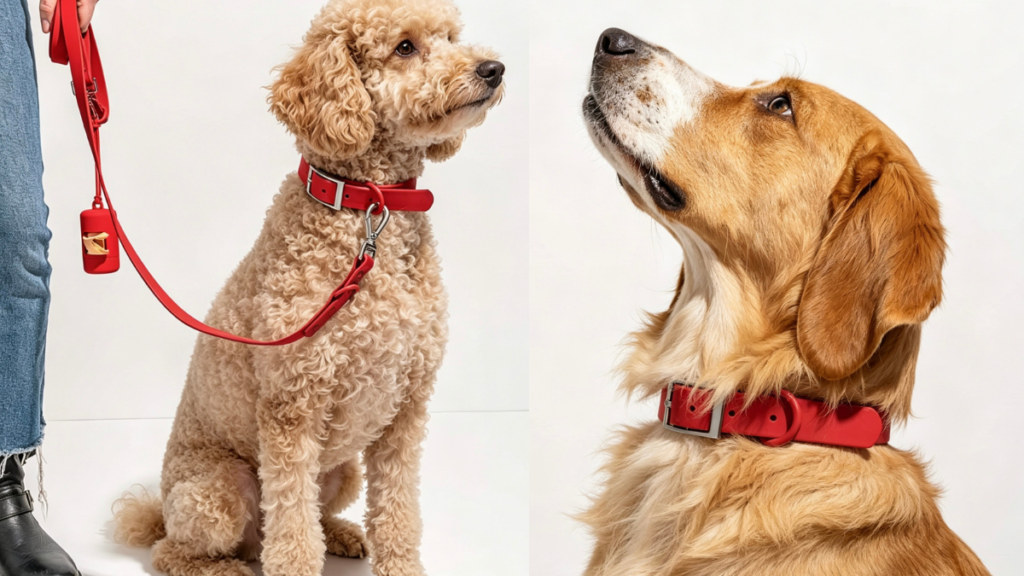
If you have ever leaned in to pet your dog and been hit by the unmistakable, musty smell of a wet sponge, you are not alone. A smelly dog collar is one of the most common frustrations for dog owners. You give your dog a bath, they smell wonderful for a day, and then the collar goes back on — and the wet dog smell returns instantly.
The problem is not your dog; it is the material of their collar. Traditional nylon and fabric collars act exactly like sponges. They absorb water, sweat, body oils, and dirt. This trapped moisture creates the perfect breeding ground for bacteria, which is the true source of that noxious odour. No amount of soap will permanently fix a collar that is designed to hold onto water.
The solution is simple but often overlooked: switch to an odour-free dog collar made from non-porous materials. This guide explains exactly why collars smell, what makes a true no stink dog collar, and which materials are best for an active, water-loving dog.

Why Do Dog Collars Smell?
To solve the problem, we first have to understand it. A collar does not magically generate a smell on its own. The odour comes from a specific chemical reaction caused by the environment inside the collar material:
Trapped Moisture and Bacteria
Nylon webbing and padded fabric collars are woven with thousands of tiny gaps. When your dog swims, walks in the rain, or even just sweats on a hot day, water seeps into these gaps. Bacteria from the environment and your dog’s skin thrive in this dark, damp environment. As they multiply, they produce volatile organic compounds (VOCs) — the exact compounds that cause the “wet dog” smell. Because the water cannot easily escape, the bacteria continue to multiply long after the collar feels dry to the touch.
Absorption of Body Oils
Dogs naturally secrete sebum — an oily substance that protects their skin and fur. Fabric collars absorb this oil over time. The oil itself does not smell great, but more importantly, it acts as a food source for the bacteria living in the damp fibres. This is why a collar that has been used for a few months smells significantly worse than a brand new one, even if both get wet.
Dirt and Debris Buildup
Mud, grass, and sand get trapped in the woven fibres of fabric collars. Even after a wash, microscopic particles remain. This organic matter decays over time, adding a distinctly earthy, foul odour to the bacterial smell already present. For a deeper dive into this process, see our guide on why your dog’s collar smells.
What Makes a True Odour-Free Dog Collar?
The only way to permanently eliminate collar odour is to remove the environment that bacteria need to survive. A true no stink dog collar must have the following properties:
Non-Porous Surface
The material must not have woven fibres or tiny holes. A non-porous surface means water, oils, and dirt have nowhere to soak in. They sit on the surface until they are wiped away. Without trapped moisture, bacteria cannot colonise, and therefore no odour can develop.
100% Waterproof Construction
“Water-resistant” is not enough. Water-resistant collars may have a coating that delays water absorption, but it will eventually wear off or seep through the seams. A 100% waterproof collar, like one made from PVC-coated webbing, is impervious to water at a structural level. For a full breakdown, see our comparison of water resistant vs waterproof collars.
Easy to Wipe Clean
An odour-free collar should not require a washing machine to clean. If your dog rolls in mud or goes for a swim, you should be able to wipe the collar down with a damp cloth and have it completely clean and dry within seconds. This immediate removal of dirt prevents any organic decay from starting.
Odour-Free Materials Compared
Not all collar materials are created equal. Here is how the most popular materials stack up when it comes to fighting odour:
Nylon Webbing (Not Odour-Free)
Nylon is cheap and comes in many colours, but it is the worst offender for odour. It absorbs water instantly, frays over time (which traps even more dirt), and holds onto bacteria. If your dog swims or hikes in the rain, a nylon collar will smell within a week.
Leather (Conditionally Odour-Free)
Leather looks great and does not hold water like nylon, but it has its own issues. Leather requires regular oiling with leather conditioners to prevent cracking. These conditioners are often animal-fat based, which can go rancid over time and produce a sour smell. Leather also takes a long time to dry if it gets fully soaked.
PVC-Coated Webbing / BioThane (True Odour-Free)
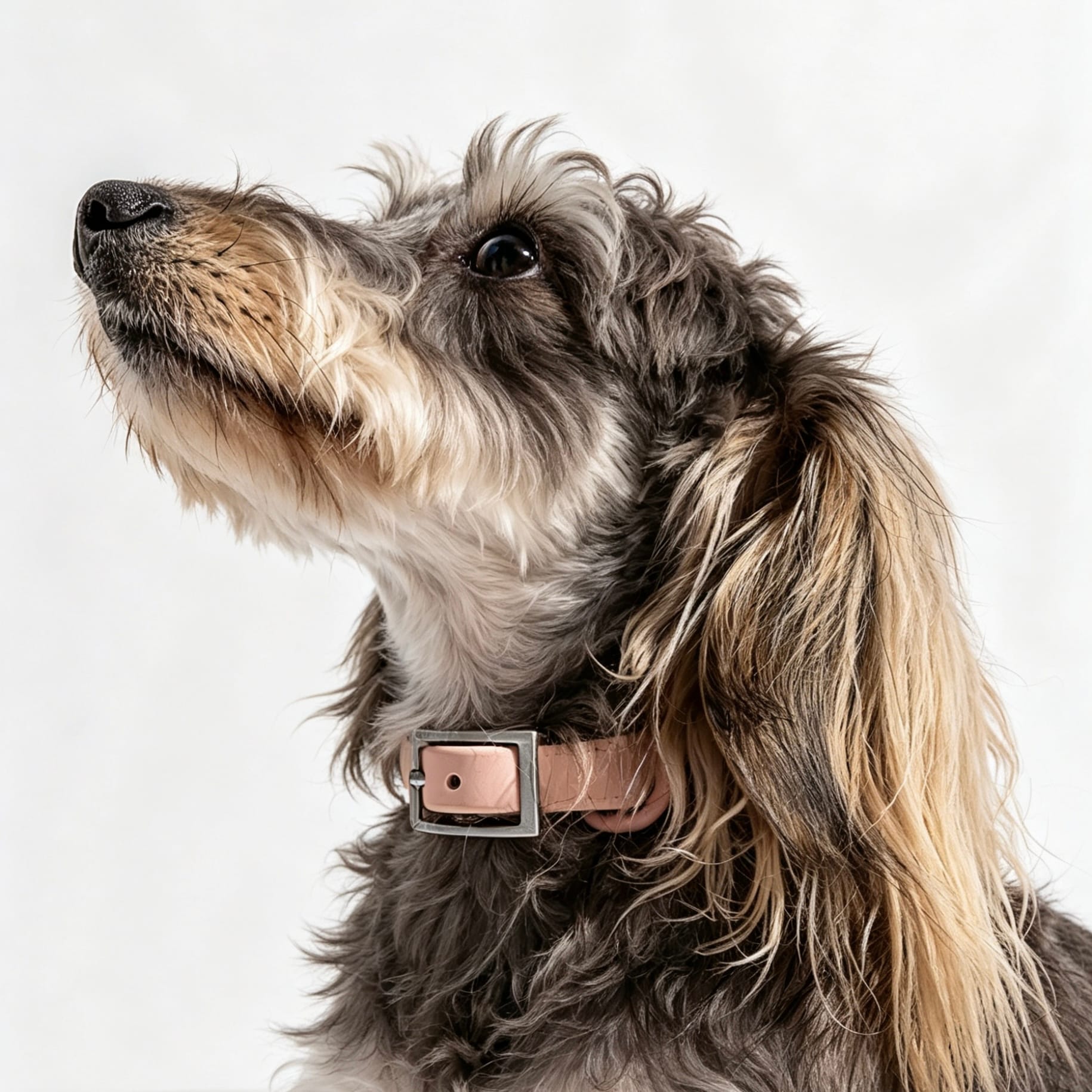
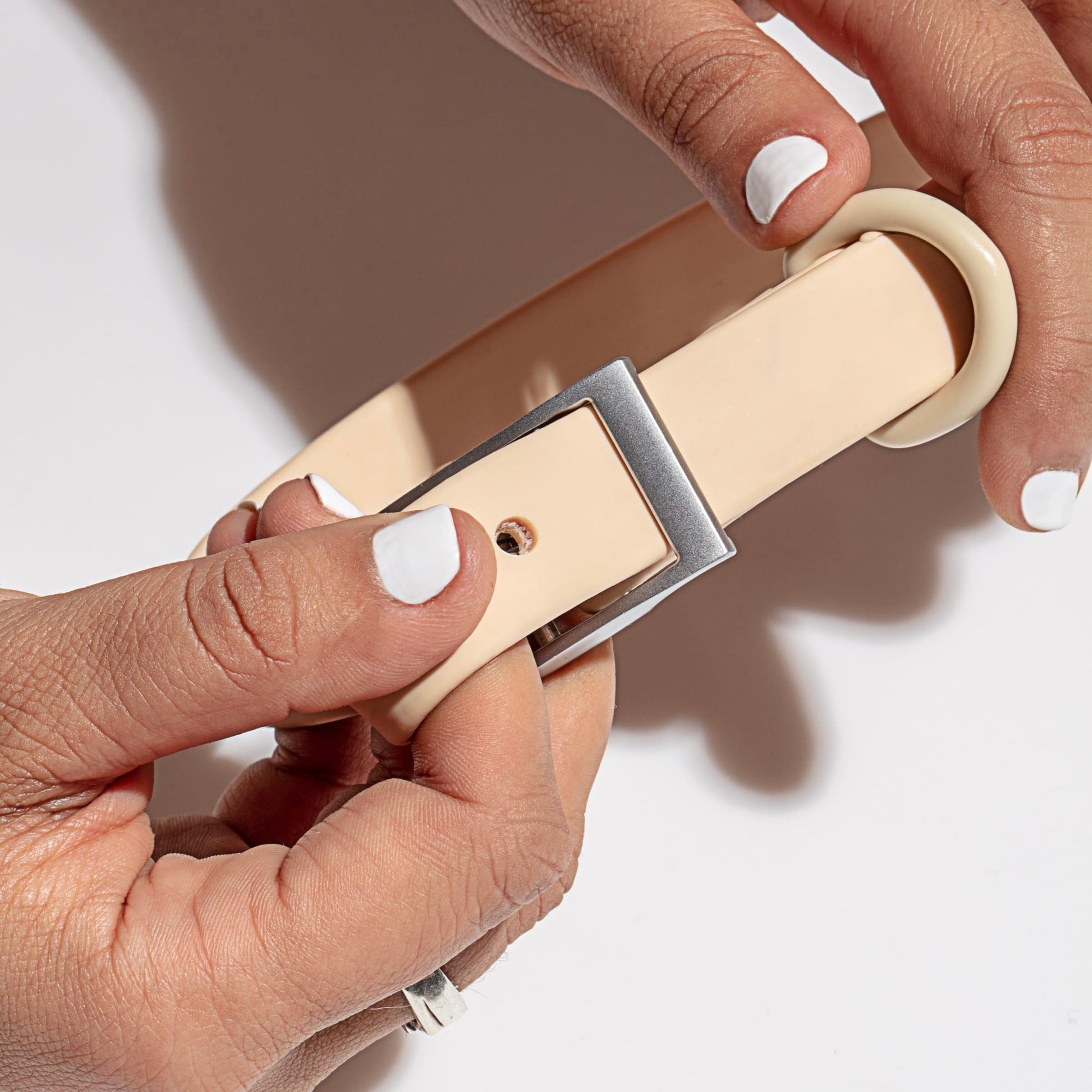
PVC-coated webbing (often sold under the brand name BioThane) is the gold standard for odour-free dog collars. It consists of a strong nylon core fully encased in a layer of polyvinyl chloride (PVC) plastic. The plastic exterior is completely non-porous, 100% waterproof, and incredibly easy to clean. It offers the flexibility of nylon but the hygiene of plastic. For a deeper comparison, see our guide on dog collar materials.
The Best No Stink Dog Collar for Active Dogs
If you are ready to say goodbye to smelly collars forever, the MoonianPet Waterproof Dog Collar is built specifically to solve this problem. Made from premium PVC-coated webbing, it delivers the look and feel of leather without the maintenance, and the flexibility of nylon without the odour.
Because the material is inherently odour-proof and waterproof, it is the perfect choice for dogs who love the beach, lake, or simply rolling in the mud. After a messy adventure, just run the collar under a tap or wipe it with a damp cloth — it will be completely dry, clean, and odour-free in seconds. Available in 11 vibrant colours and 5 adjustable sizes to fit any breed.
For the ultimate matching setup, pair it with our Waterproof Collar & Leash Set, ensuring both ends of the lead stay fresh and clean.
Frequently Asked Questions
How do you get the smell out of a dog collar?
For a nylon collar, you can soak it in a mixture of warm water, baking soda, and white vinegar, then scrub with dish soap. However, this is only a temporary fix. Because nylon is porous, the bacteria and oils will return quickly. The only permanent solution for a smelly collar is to replace it with a non-porous, odour-free collar made of PVC-coated webbing.
What is the best material for a dog collar that doesn’t smell?
PVC-coated webbing (similar to BioThane) is the best material for a no stink dog collar. It is completely non-porous, meaning it does not absorb water, sweat, or body oils. It wipes clean in seconds and never develops the musty, wet dog smell associated with nylon or leather collars.
Are PVC dog collars safe for my dog’s skin?
Yes. High-quality PVC-coated webbing is non-toxic, phthalate-free, and completely safe for dogs. In fact, because it does not trap moisture against the skin like nylon does, a waterproof PVC collar is actually better for dogs with sensitive skin or allergies, as it prevents the bacterial skin infections that can arise from wearing damp collars.
How often should I wash my dog’s collar?
With a traditional nylon collar, you should wash it every 1–2 weeks to keep odour at bay. With an odour-free PVC collar, you only need to wipe it with a damp cloth when it gets visibly dirty. You will never need to put it in the washing machine. See our full guide on how to clean a dog collar for more tips.
Looking to upgrade your dog’s full walking setup? Check out our best waterproof collar and leash sets or learn how to choose the right dog leash for your daily walks.
Wenyue
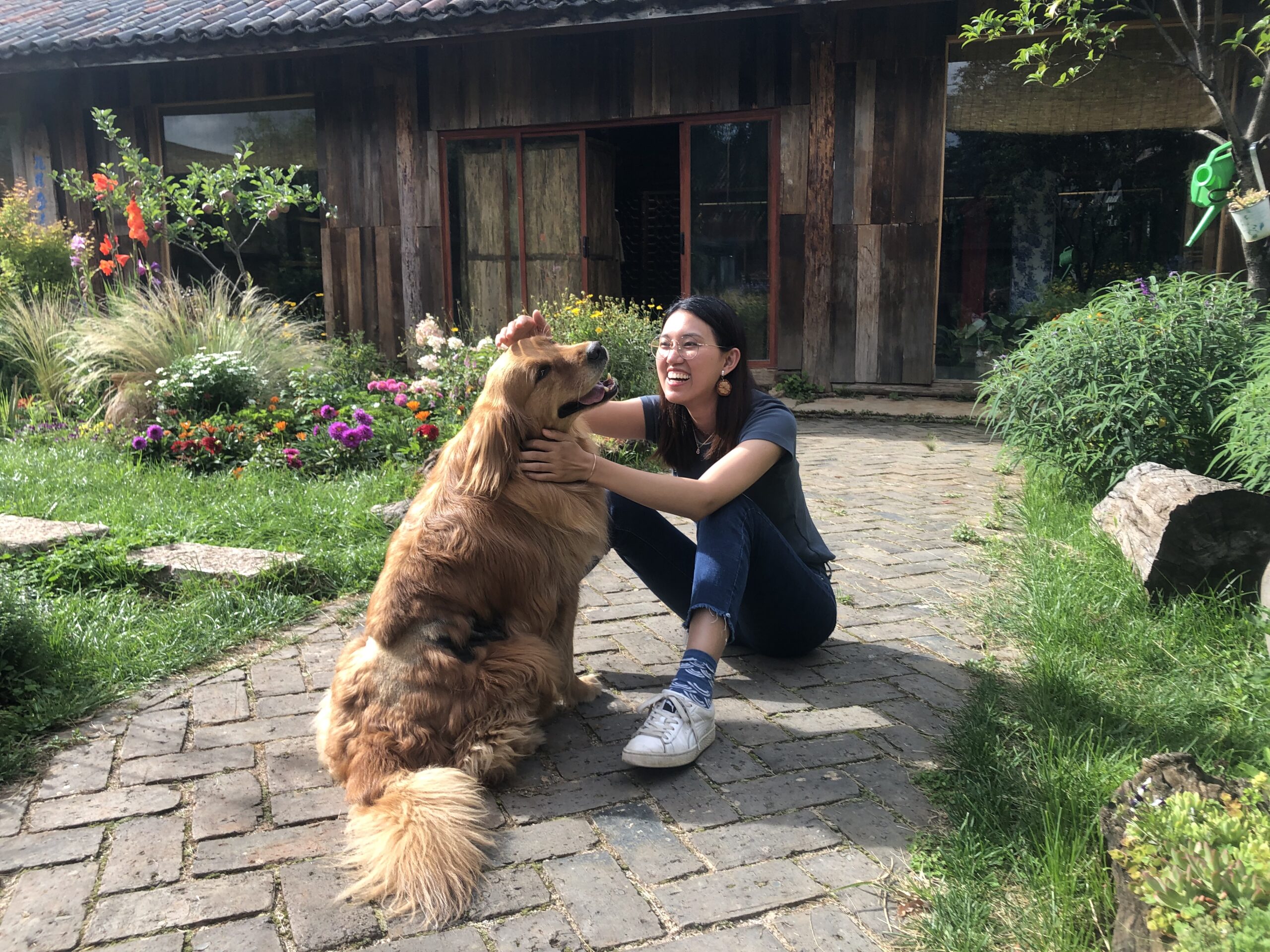
Wenyue is the founder of MoonianPet and writes about dog collars, harnesses, waterproof pet gear, and everyday dog care. Growing up with dogs inspired her lifelong interest in pet care and practical dog gear. Through MoonianPet, she researches dog collars, harnesses, waterproof materials, and everyday solutions that help active dogs stay comfortable during daily adventures.