
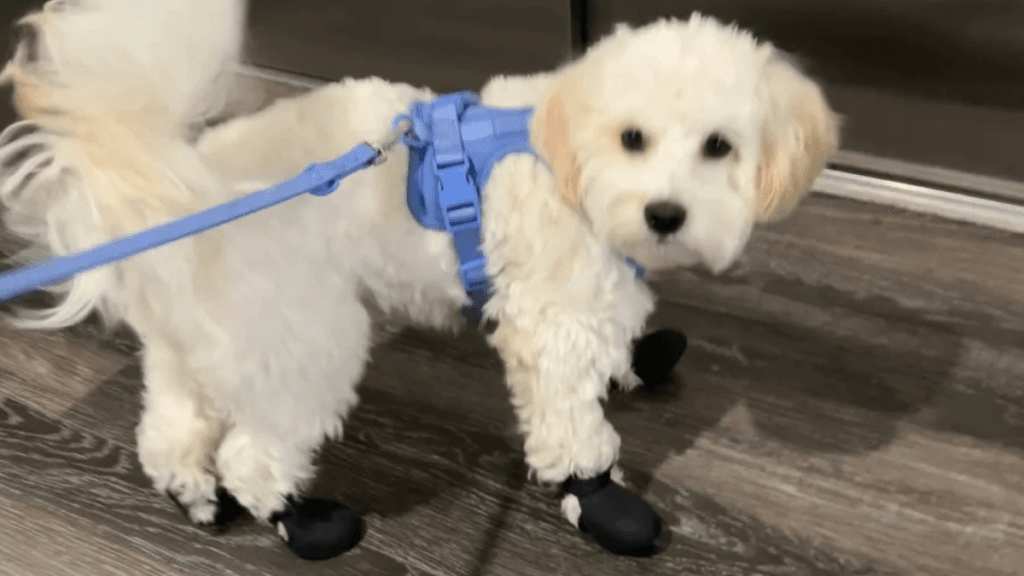
The most common mistake people make when choosing a dog for an apartment is focusing on size. Size matters, but it is not the deciding factor. A Jack Russell Terrier weighs five kilograms and fits easily in a studio flat — and will redecorate it within a week if its exercise needs are not met. A Greyhound is enormous by comparison and will spend most of the day asleep on the sofa, unbothered by the lack of a garden.
What actually matters for apartment living is energy level, noise tendency, independence, and how well the breed tolerates the rhythms of city life — lifts, strangers in corridors, traffic noise, variable schedules. Some breeds are genuinely well-suited to apartment life regardless of their size. Others struggle no matter how much space you give them.
This guide covers the breeds that genuinely work well in apartments, what makes each one a good fit, and the walking setup that makes city dog ownership more manageable day to day.
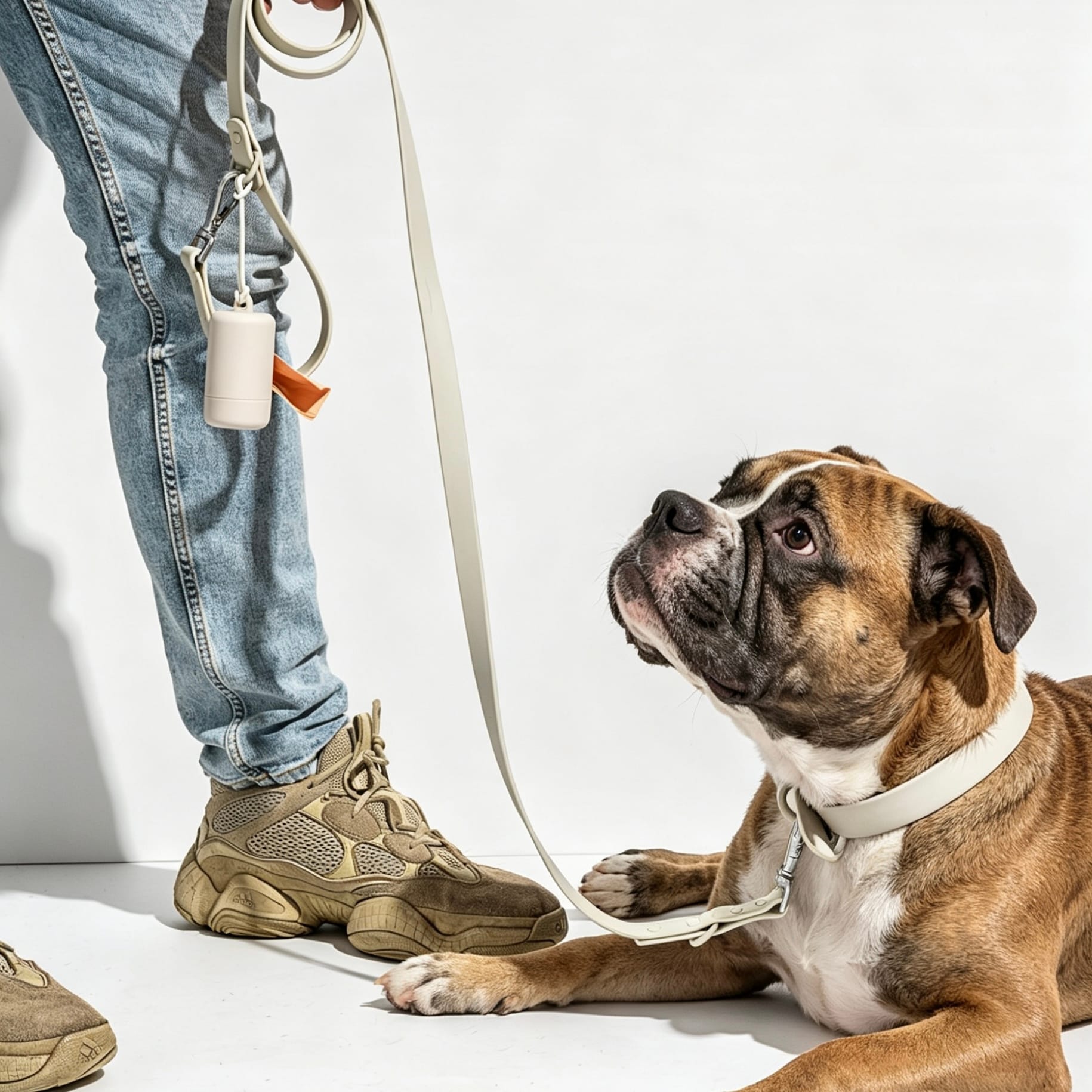
What Makes a Breed Good for Apartment Living?
Before getting into specific breeds, it helps to understand what you are actually selecting for. These are the characteristics that matter most:
Low to moderate energy level
A dog with genuinely low exercise needs can be satisfied with two short daily walks and some indoor play. A high-energy breed — Border Collie, Husky, Vizsla — needs sustained vigorous activity that is very difficult to provide without a garden, and under-exercised high-energy dogs develop behavioural problems that make apartment living miserable for everyone.
Low tendency to bark
In an apartment, your dog’s barking is everyone’s problem. Breeds that bark frequently — many terriers, Beagles, Miniature Schnauzers — are technically manageable in apartments but require significant training investment to stay within acceptable limits. Breeds that are naturally quiet make apartment life easier from day one.
Calm indoor temperament
Some dogs are “on” indoors — alert, reactive, constantly scanning for stimulation. Others settle naturally and spend most of indoor time calm and resting. The latter is significantly easier to live with in a smaller space. This is partly breed, partly individual temperament, and partly how well the dog’s exercise needs are being met.
Adaptability to city stimuli
City dogs encounter strangers in lifts, delivery people, skateboards, traffic, and other dogs on every walk. Breeds that are naturally sociable and adaptable handle this well. Breeds with strong protective instincts or high reactivity to strangers require significantly more management in a dense urban environment.
Best Breeds for Apartment Living
French Bulldog
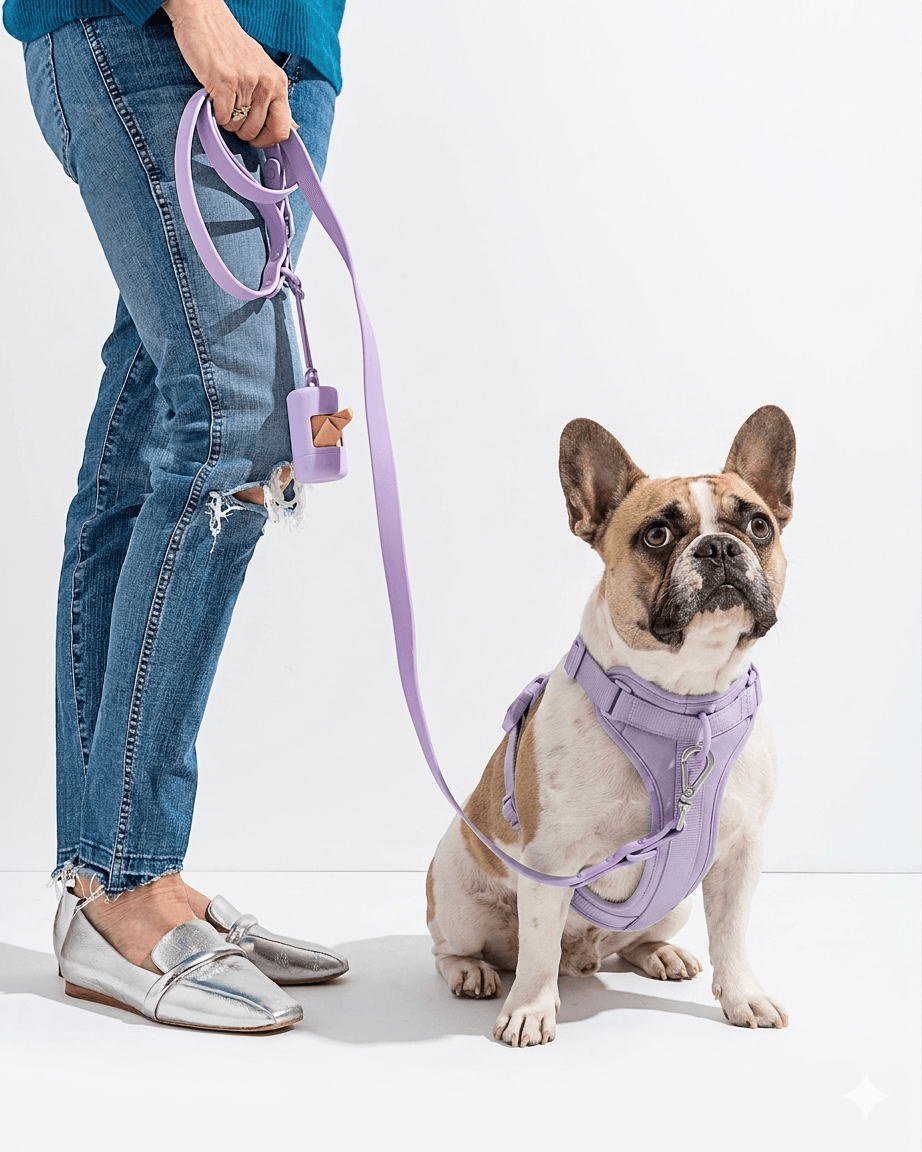
The French Bulldog is probably the most popular apartment dog for good reason — low energy, quiet, adaptable, and genuinely content with two short daily walks. They are affectionate and sociable without being demanding about activity. The main consideration is their brachycephalic airway, which means they overheat easily and should not be walked in hot weather during peak hours. Keep walks to early morning or evening in summer, and never push a Frenchie to keep walking when they slow down — they cannot tell you they are struggling to breathe before they are actually in distress. A harness is strongly recommended over a collar for all Frenchies, as any neck pressure worsens their already restricted airway.
Greyhound and Whippet
This surprises a lot of people. Greyhounds are large, athletic dogs that most people assume need enormous amounts of space and exercise. The reality is they are sprinters, not endurance athletes — they go very fast for very short periods, and then spend the rest of the time completely flat out on the nearest soft surface. A Greyhound is content with two thirty-minute walks a day and the occasional opportunity to run in a secure area. They are quiet, gentle, and remarkably low-maintenance indoors. Whippets follow a similar pattern in a smaller package. Both breeds need a securely fitted collar — their narrow heads relative to their neck circumference make standard flat collars slip-prone, so a martingale design or a well-fitted harness is worth considering.
Cavalier King Charles Spaniel
Cavaliers are bred to be companion dogs and they excel at it — adaptable, gentle, quiet, and happy to calibrate their activity level to their owner’s. They are equally content on a long countryside walk or a twenty-minute pavement stroll, which makes them unusually flexible for people whose schedule varies. They do not do well with long periods alone, which is the main caveat for apartment owners who work long hours. Their silky coat requires regular grooming, but temperamentally they are one of the easiest breeds for city living.
Pug
Like the French Bulldog, Pugs are brachycephalic, apartment-friendly, and genuinely low-effort in terms of exercise needs. They are perhaps the most sociable and people-orientated of all small breeds — happy to follow their owner from room to room and content to sit with company for hours. The same heat and exercise limitations as Frenchies apply, and the same recommendation to use a harness rather than a collar for leash attachment. Pugs also snore, which some owners find endearing and others do not — worth knowing before you commit.
Shih Tzu
Shih Tzus were bred for palace life — literally — and their temperament reflects it. They are calm, adaptable, and remarkably unbothered by the kind of stimuli that stress other breeds in city environments. Short daily walks are sufficient, and they are comfortable in smaller spaces. Their coat requires regular professional grooming unless kept in a shorter trim, which most apartment owners opt for practically. They can be slow to housetrain, which is worth knowing before you start.
Basset Hound
Basset Hounds are medium-sized, extraordinarily low-energy, and one of the quieter hound breeds indoors (though they will bay if they get bored or are left alone too long). They are content with moderate daily walks and spend the rest of their time sleeping in a way that makes them very easy to share a small space with. The main practical consideration is that they are heavy for their height and their long backs are prone to disc issues — avoid stairs where possible and do not let them jump off furniture repeatedly.
Maltese and Bichon Frisé
Both breeds are small, low-shedding, quiet, and adaptable — a practical combination for apartment living. They are lively and playful indoors but do not have the frustrated energy of under-exercised terriers or working breeds. Short daily walks are sufficient for their physical needs. Both breeds are prone to separation anxiety, which requires management if the owner works long hours. Their white coats show city grime quickly, which is a minor but recurring maintenance consideration.
Chihuahua
Chihuahuas need very little space and very little exercise — a short daily walk is genuinely sufficient for most. They are also surprisingly robust in personality for their size and tend to be confident and engaged rather than timid. The main consideration for apartment living is that they can be vocal, particularly if not well-socialised to strangers and new situations from puppyhood. A well-socialised Chihuahua is an easy apartment dog. An under-socialised one barks at everything, which is less compatible with shared walls and floors.
Breeds to Approach With Caution in Apartments
These breeds can work in apartments in the right circumstances, but they require more from the owner to make it work:
Beagle
Beagles are friendly, adaptable, and moderate in size — but they are scent hounds with a strong instinct to follow their nose, which makes off-leash recall unreliable, and they bay loudly when bored or anxious. An apartment Beagle needs consistent exercise, mental stimulation through scent work or food puzzles, and training around barking. Very manageable with commitment; challenging if the owner underestimates what is required.
Dachshund
Dachshunds are popular apartment dogs but they bark more than most owners expect, and their long backs make stairs and jumping a genuine health concern — a complication in many apartment buildings. They are stubborn and can be challenging to train. That said, they are affectionate, low-exercise-needs, and very adaptable to indoor life. The right owner with the right building can make it work well.
Cocker Spaniel
Cocker Spaniels are gentle and adaptable, but their exercise needs are higher than most people assume from their size. A Cocker that gets sufficient daily exercise is a calm, easy apartment companion. A Cocker that does not get enough is restless and prone to destructive behaviour. They are firmly in the “apartment possible, but requires real commitment to exercise” category.

Walking Gear That Makes City Dog Life Easier
City walking puts different demands on gear than rural or suburban walking. Shorter, more frequent walks mean more clipping and unclipping. Busy streets mean more sudden stops and direction changes. Shared corridors and lifts mean the gear needs to work reliably every time without fuss.
For brachycephalic breeds — Frenchies, Pugs, Bulldogs — a no-pull harness is not optional, it is the right choice for health reasons. The front-clip option also helps with the pulling that many small dogs do despite their size, and the neoprene padding keeps shorter walks comfortable without the bulk of heavier harness designs. For sizing, the dog harness size guide covers the XS and S measurements that most apartment breeds need.
For breeds that walk on a collar, the MoonianPet Waterproof Dog Collar wipes clean after rainy city walks and does not develop the smell that nylon collars accumulate over months of daily use — a practical advantage when the collar is on all day every day. The dog collar size guide has measurements for XS through XL.
For the leash, a 1.2m length gives better control on busy city streets than the standard 1.8m — less slack to manage around other pedestrians, quicker response when your dog moves toward traffic or another dog unexpectedly. The MoonianPet Waterproof Leash comes in both lengths. Save with the Collar & Leash Set or the Harness & Leash Set.

Frequently Asked Questions
What is the best dog for a small apartment?
For a genuinely small apartment, the best choices are low-energy breeds that settle well indoors — French Bulldogs, Pugs, Cavalier King Charles Spaniels, Shih Tzus, and Greyhounds (which surprise many people with how calm they are indoors). The key is matching energy level to your actual lifestyle rather than selecting by size alone. A calm medium-sized dog is a better apartment companion than a small high-energy terrier.
Can large dogs live in apartments?
Yes, if the breed is right. A Great Dane or Greyhound can thrive in an apartment because their indoor energy level is genuinely low — they spend most of their time sleeping and do not need to run around the home. A Labrador or German Shepherd of the same size would struggle more because their energy level and need for active engagement is much higher. Size is a secondary consideration to temperament and energy level.
How much walking does an apartment dog need?
For most apartment-appropriate breeds — Frenchies, Pugs, Cavaliers, Shih Tzus — two walks of twenty to thirty minutes each covers their physical needs. Greyhounds need similar amounts but benefit from occasional off-lead running in a secure area. The total is less important than frequency — two shorter walks are better than one long one for toilet management and mental stimulation throughout the day. For more detail by breed, see our guide on how long to walk a dog.
Is a harness or collar better for apartment dogs?
For brachycephalic breeds — French Bulldogs, Pugs, Bulldogs, Shih Tzus — a harness is the better choice for leash attachment because it avoids any neck pressure on already restricted airways. For other apartment breeds, a collar works well for dogs that walk calmly, and a no-pull harness is more appropriate for dogs that pull — even small dogs can pull persistently. Most apartment dogs wear a collar for ID tags and a harness for leash attachment on walks, which is a practical combination.
What should I look for in a leash for city walking?
A fixed-length leash of 1.2m to 1.5m gives more control on busy streets than the standard 1.8m — less slack to manage around pedestrians and quicker response to sudden movements. Avoid retractable leashes in cities: they give false security, are banned in many urban areas, and provide very little real control at speed. A lightweight, easy-to-clean material makes daily use more practical — PVC-coated webbing wipes clean after wet city pavements in seconds rather than needing to be washed.
Once you have your apartment dog sorted, see our guide on puppy’s first walk for the early weeks of getting them used to city life on a leash. For walking gear sizing, the dog harness size guide and dog collar size guide cover measurements for all sizes.
Wenyue
Wenyue is the founder of MoonianPet and writes about dog collars, harnesses, waterproof pet gear, and everyday dog care. Growing up with dogs inspired her lifelong interest in pet care and practical dog gear. Through MoonianPet, she researches dog collars, harnesses, waterproof materials, and everyday solutions that help active dogs stay comfortable during daily adventures.