
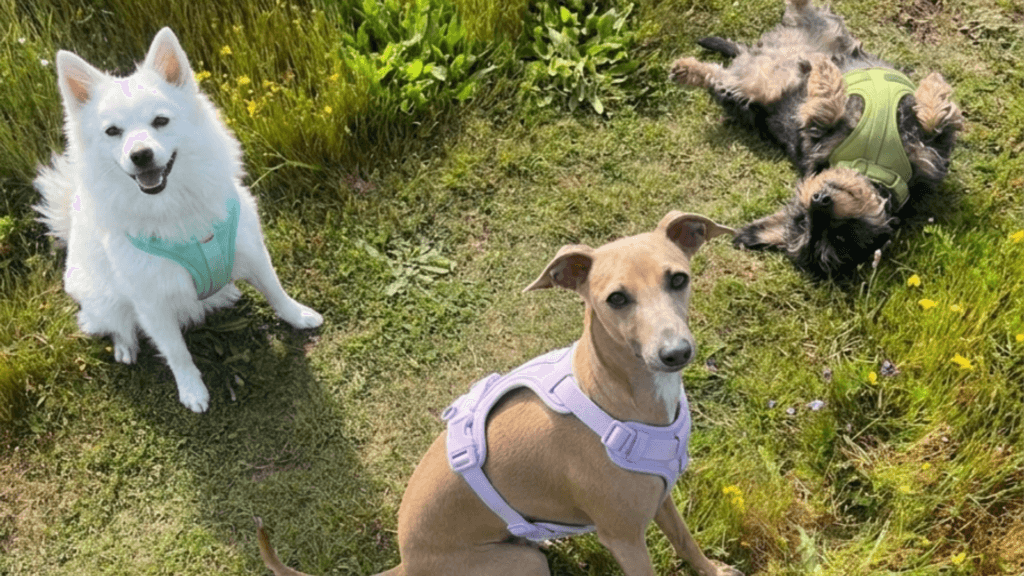
It’s a question that comes up constantly: can you just leave the harness on? It’s convenient — no fumbling with buckles before every walk, no hunting for the harness when it’s time to go out. Many owners leave their dog’s harness on throughout the day without giving it much thought. Others have been told it’s harmful and wonder if they’ve been doing something wrong.
The honest answer is: it depends. A harness worn for a few hours while a dog is active and supervised is very different from a harness left on overnight, through play sessions with other dogs, or on a dog that isn’t checked regularly. The material, the fit, and the context all matter — and the risks are real enough that they’re worth understanding before deciding on a routine.
This guide covers what can go wrong when a harness is worn continuously, which situations are genuinely fine, what to check if your dog does wear a harness for extended periods, and what the practical daily routine actually looks like for most owners.

What Can Go Wrong With Continuous Harness Wear
Most of the problems with leaving a harness on long-term are gradual and easy to miss until they’ve become significant:
Skin irritation and pressure sores
A harness in constant contact with the skin creates sustained friction and pressure at every strap contact point — the chest, the sides of the ribcage, the shoulders, and under the armpits. On short-coated breeds this shows up as redness and hair thinning fairly quickly. On long-coated or double-coated breeds the problem develops underneath the coat and may not be visible until it has already progressed to a sore. The armpits (axillary area) are the most common location — the strap running through this area rubs with every step during walks and continues to press against the skin when the dog is resting.
Coat matting and damage
On breeds with longer or wavy coats — Golden Retrievers, Spaniels, Doodles, Poodles — a harness left on continuously causes matting at every strap contact point. The strap traps and presses the fur against the skin, and the resulting mats can tighten significantly over days, eventually pulling the skin and causing discomfort. Removing the harness daily and brushing through any contact areas is the main prevention strategy for these breeds.
Entanglement hazards
A harness left on an unsupervised dog — particularly when sleeping, crating, or playing with other dogs — creates entanglement risk. The D-ring, buckle, or strap loops can catch on crate bars, furniture, fence posts, or another dog’s jaw or teeth during play. Entanglement can cause panic and injury quickly, especially if the dog is alone when it happens. This is the most serious acute risk of continuous harness wear, and it’s the reason most experienced trainers recommend removing the harness whenever the dog is unsupervised.
Fit changes going unnoticed
A harness that stays on continuously is less likely to be re-checked for fit. Dogs change — weight gain or loss, seasonal coat changes in double-coated breeds, growth in young dogs — and a harness that fitted correctly three months ago may now be too tight or too loose without the owner realising. Removing and refitting the harness regularly prompts a natural fit check that doesn’t happen when the harness is simply left on.
When Wearing a Harness for Extended Periods Is Generally Fine
None of the above means a dog can never wear a harness for more than a single walk. Context matters:
During active, supervised periods
A harness worn during a walk, a trip to the park, or time in the garden while supervised carries minimal risk. The dog is moving, the owner can observe any discomfort, and the harness is doing what it was designed for. Wearing the harness for two or three hours of continuous activity is standard and unproblematic for most dogs.
On short-coated breeds with a well-fitted, lightweight harness
A Greyhound, Whippet, or Boxer in a correctly fitted, breathable harness with no loose hardware shows much lower skin and coat risk than a long-coated breed in a heavy harness. The risk is not zero, but it is lower — and daily skin checks under the strap contact points allow any early irritation to be caught before it develops.
When transitioning a new or anxious dog
Some trainers recommend keeping a harness on a newly adopted dog during the first weeks at home — particularly dogs with a history of bolting — so the owner can always get a hold of the dog quickly indoors if needed. This is a managed use with a specific purpose, not an indefinite routine, and the harness should still be removed for sleeping and unsupervised periods.
What to Check If Your Dog Wears a Harness Regularly
If your dog wears a harness daily — even if it’s removed overnight — these checks keep small problems from becoming significant ones:
Run your fingers under every strap contact point weekly
Check the chest, both sides of the ribcage, and especially the armpits. You’re feeling for warmth, swelling, hair loss, or skin that feels roughened or slightly raised compared to surrounding areas. On long-coated breeds, part the fur to check at skin level — surface inspection alone misses early irritation hidden underneath the coat.
Re-check the two-finger rule monthly
Slide two fingers flat under each strap — neck, chest, and belly. Both fingers should slide through with light resistance. If either fits too easily, the harness has loosened or the dog has lost weight; tighten and recheck. If you can only fit one finger, the harness has tightened — either the dog has gained weight or the straps have shifted. Adjust before the next walk. For double-coated breeds, re-check after each seasonal coat change. Full guidance in our dog harness size guide.
Check for coat matting at strap lines on long-coated breeds
On Spaniels, Golden Retrievers, Doodles, and similar breeds, run a comb through the fur along every strap line each time the harness comes off. Early tangles brush out in seconds; mats that have been left for days or weeks may require professional grooming to remove without cutting. Daily brushing of contact areas takes less than two minutes and prevents the problem entirely.
Check for signs of chafing after wet walks
A wet harness held against wet fur creates significantly more friction than a dry harness on dry fur. After swimming, rain, or heavy dew, remove and dry the harness and towel off the dog before putting it back on for the return journey. This is particularly important for nylon harnesses that absorb and hold moisture — a waterproof or quick-dry material is a meaningful practical advantage for dogs that are regularly wet. For a closer look at waterproof harness materials and why they matter, see our water resistant vs waterproof guide.
Why Material Matters for Extended Wear
Not all harness materials carry the same risks during extended wear. The two most common are nylon webbing and neoprene, and they behave differently against the skin:
Nylon webbing harnesses are lightweight and durable, but nylon absorbs and holds moisture — from sweat, rain, or swimming — and a damp nylon strap against skin is more abrasive than a dry one. After wet activity, a nylon harness should always be removed and dried before being put back on for extended wear.
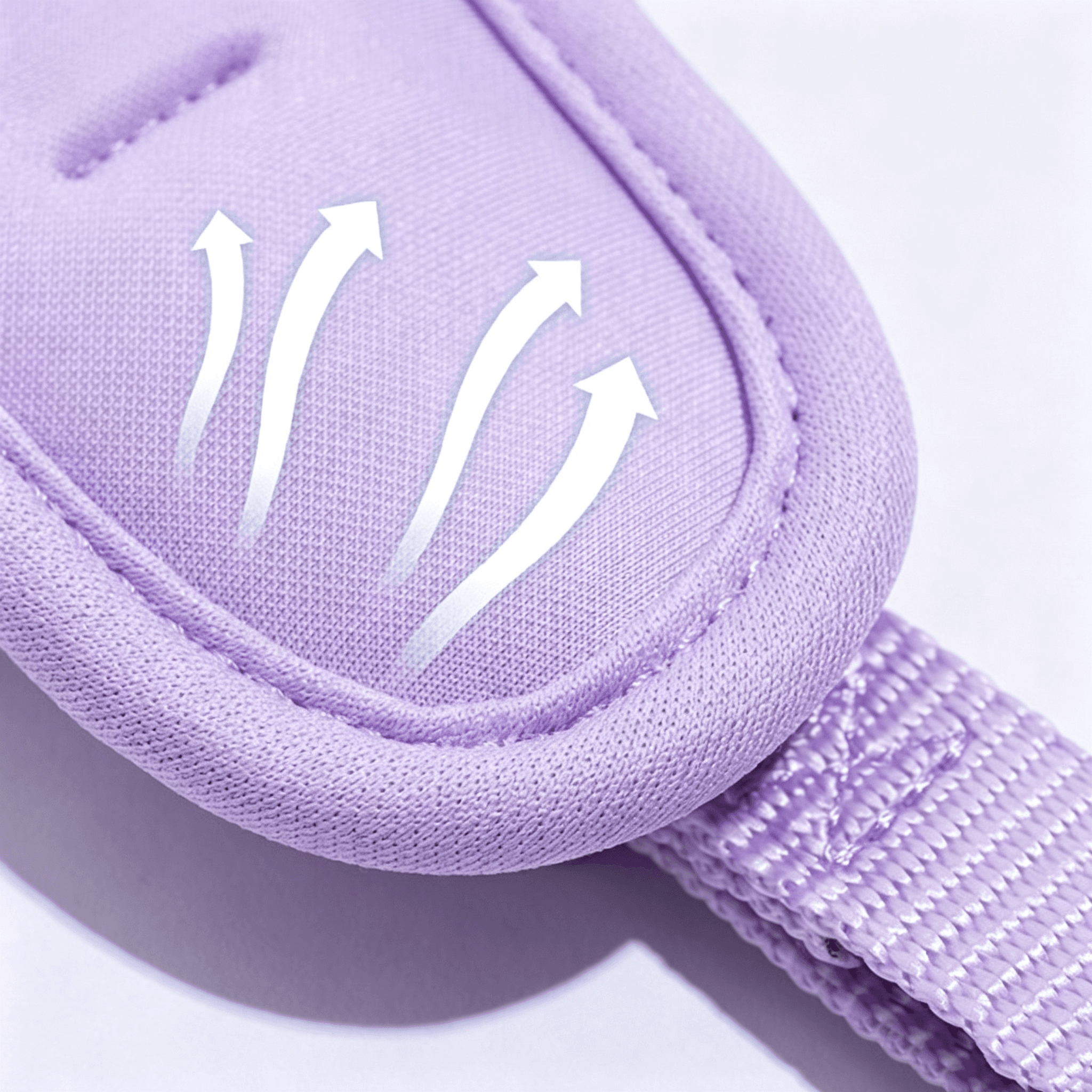
Neoprene — the material used in the MoonianPet No-Pull Dog Harness — does not absorb moisture. It stays dimensionally stable when wet, dries quickly, and maintains the same surface texture against the skin whether dry or soaked. For dogs that walk in wet conditions regularly, this difference in how the material behaves after exposure to moisture is a practical consideration for comfort during extended supervised wear.

A Harness Built for Daily Active Wear
The MoonianPet No-Pull Dog Harness is made from lightweight, breathable neoprene with rubber-coated, rust-proof hardware throughout. The neoprene doesn’t absorb sweat or moisture, stays soft against the skin during extended active use, and maintains its shape and fit through repeated daily wear. Three-point independent adjustment means a precise fit that can be re-checked and corrected in under a minute. Available in five sizes and 11 colours.
For a matched everyday walking setup, the Harness & Leash Set pairs the harness with a PVC-coated waterproof leash — odour-proof, easy to wipe clean, and built for regular outdoor use.
Frequently Asked Questions
Can I leave a harness on my dog all day?
During active, supervised periods — walks, garden time, outings — yes, for several hours without issue in most cases. Continuously through the day including rest periods, meals, and unsupervised time is not recommended. The entanglement risk during rest and the sustained friction against skin and coat during inactive periods are the main reasons most vets and trainers advise removing the harness when the dog is not actively on a walk or under direct supervision.
Can dogs sleep in a harness?
No — this is the scenario most likely to cause problems. During sleep the dog is unsupervised, the harness hardware can catch on bedding or crate bars, and the sustained contact against resting skin with no active movement to redistribute pressure creates the conditions for pressure sores more quickly than any other situation. Remove the harness before sleep without exception.
How long can a dog wear a harness?
There is no fixed time limit for a healthy dog in a correctly fitted, breathable harness during supervised active use — two to four hours of continuous walking and activity is standard for many working dogs. The limiting factors are fit, material, coat type, and whether the dog is moving or resting. A dog resting in a harness is under more sustained pressure than a dog walking in one. The practical rule is: on during walks and supervised active time, off for rest, sleep, and unsupervised periods.
Can I leave the harness on my dog in the car?
A harness worn during a car journey — attached to a seatbelt restraint or worn without restraint — is fine for the duration of the journey. Remove it when the car is parked and the dog is left unsupervised, for the same entanglement reasons that apply at home.
My dog’s harness is causing fur matting — what should I do?
Remove the harness daily and brush through every strap contact area before putting it back on. For mats that have already formed, work a detangling spray through the mat and use a wide-tooth comb to tease it apart from the outside in — never pull from the base. Severe mats near the skin may need professional grooming. Long-term, daily brushing of contact areas prevents the problem from recurring.
Need help getting the fit right before your next walk? Our step-by-step harness fitting guide covers every strap adjustment in detail. For choosing the right size from the start, see the dog harness size guide.
Wenyue
Wenyue is the founder of MoonianPet and writes about dog collars, harnesses, waterproof pet gear, and everyday dog care. Growing up with dogs inspired her lifelong interest in pet care and practical dog gear. Through MoonianPet, she researches dog collars, harnesses, waterproof materials, and everyday solutions that help active dogs stay comfortable during daily adventures.