
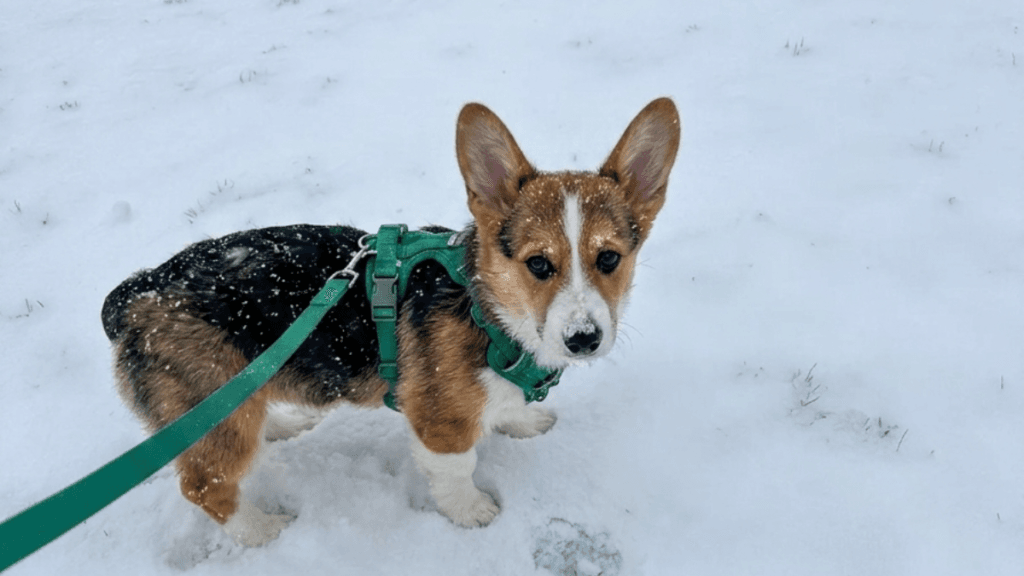
Leash training is one of those things that sounds simple until you’re standing on a pavement at 7am, being towed toward a squirrel by a dog that weighs a third of what you do, wondering how it came to this. Most of us didn’t get a manual. We clipped on the leash and hoped the dog would figure it out. Spoiler: they don’t figure it out on their own.
The good news is that loose-leash walking is genuinely teachable to almost any dog at almost any age — it just requires understanding why dogs pull in the first place, and then being more consistent than they are. It’s less about dominance or authority, and more about making walking beside you more rewarding than charging ahead. Once a dog understands that, walks change completely.
This guide covers everything from setting up correctly before the first training walk, to the step-by-step method that actually works, to the most common mistakes that slow progress down. Whether you have a new puppy, a newly adopted adult dog, or a dog that has been pulling for years and you’ve decided enough is enough — start here.

Why Dogs Pull — And Why It’s Not Defiance
The first thing worth understanding is that pulling is not a dominance behaviour, a stubbornness behaviour, or a sign that your dog doesn’t respect you. Dogs pull because pulling works. They pull forward, they get to the interesting smell faster, and the leash tension is irrelevant because they barely notice it. Every walk where pulling resulted in forward movement was a training session — just not the one you intended.
Dogs also walk naturally faster than humans. A brisk human walking pace is a slow amble for most dogs. Without training, a dog’s default on the leash is to walk at their own pace — which is faster than yours — and pulling is just what that looks like from the human end of the leash.
Knowing this reframes the training task. You’re not correcting bad behaviour — you’re teaching a completely new one. Loose-leash walking doesn’t come naturally to dogs the way sitting does. It requires real, consistent teaching. And it requires making loose-leash walking more rewarding than pulling — which is entirely achievable.
What You Need Before the First Training Walk
High-value treats your dog actually cares about
Not the dry biscuits sitting in a bag for six months. Leash training competes with the entire outdoor environment — smells, other dogs, moving things, interesting patches of grass. Your treat needs to be genuinely more interesting than all of that, at least some of the time. Cooked chicken, cheese, hot dog pieces, or commercial high-value training treats all work. Find what makes your dog’s eyes light up and use that exclusively for leash training sessions.
A front-clip no-pull harness
Training works faster and with less physical effort when the equipment supports the process. A front-clip harness redirects pulling momentum at the chest — making it harder for the dog to build pulling speed, and giving you a mechanical assist during the early stages of training when consistent behaviour hasn’t been established yet. It doesn’t replace training, but it makes the training period more manageable for both of you. A collar alone puts all leash tension directly on the trachea and neck — not ideal for a dog that’s going to be stopping and starting repeatedly during a training walk. See our best no-pull harness guide for what to look for.
A standard 1.2–1.8m leash
Not a flexi-lead. Retractable leashes teach the opposite of loose-leash walking — they reward pulling with length, and the constant background tension means the dog never experiences what a slack leash actually feels like. A fixed-length leash of 1.2 to 1.8 metres gives enough room for the dog to move naturally while keeping you close enough to reward quickly when the leash goes slack. Our waterproof PVC-coated leash is easy to hold and wipe clean after muddy training sessions.
The Method: How Loose-Leash Walking Is Actually Taught
There are several approaches to leash training. The one that works most reliably — and most humanely — across all breeds and ages is the stop-and-reward method. It has two rules that never change:
Rule 1: A tight leash means you stop
The moment the leash goes taut — not when the dog is three metres ahead of you, the moment it goes taut — you stop walking. Stand still. Don’t say anything, don’t pull back, don’t tell the dog off. Just stop. The dog will eventually turn to look at you, or the leash will go slack as they pause or step back. The second it goes slack, you move forward again. This teaches the dog something clear: tight leash stops the walk, loose leash continues it. It takes repetition — many, many repetitions — but the message is consistent and the dog can learn it.
Rule 2: A loose leash walking beside you gets rewarded
Don’t wait for the dog to be perfect before rewarding — reward the leash going slack, reward the dog glancing up at you, reward any moment where they’re walking in the right position without tension. The treat goes to the dog immediately, at your side, not thrown ahead of them. You’re marking the position — walking beside you — as the behaviour that earns the good thing. Over time, that position becomes what the dog chooses because it’s the most reliably rewarded option.
Step by Step: Building from Zero
Step 1: Start indoors or in the garden
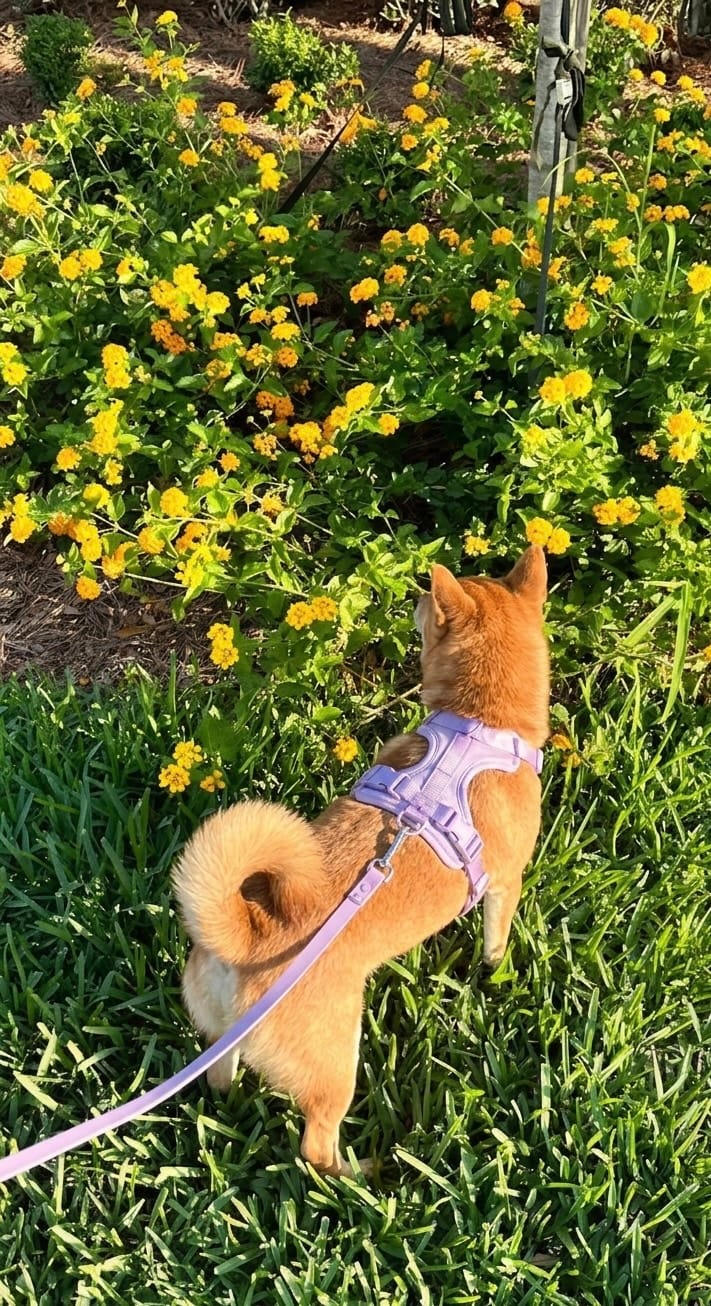
The street is a hard environment for early leash training — there’s too much competition for the dog’s attention. Begin in a boring indoor space or a quiet garden. Walk a few steps with the dog on the leash, reward immediately when they’re walking beside you without tension. Keep sessions to five minutes. The goal at this stage is just for the dog to understand that walking beside you and keeping the leash slack is a thing that gets rewarded.
Step 2: Move to a low-distraction outdoor environment
Once the dog is reliably staying beside you indoors, take it outside — but to somewhere quiet. A quiet residential street early in the morning, a park before it gets busy, or a familiar route with few other dogs. Apply the same rules: tight leash means stop, loose leash gets rewarded. Expect more stopping in this phase — outdoor smells and sights are genuinely exciting, and the dog is working harder to make the same choice they were making easily indoors. That’s normal. Stay consistent.
Step 3: Add duration before adding distance
Don’t try to cover ground in early training walks. The goal is loose-leash time, not metres covered. A ten-minute walk where you stop fifteen times and reward twenty times is better training than a thirty-minute walk where you’re constantly fighting the leash and rewarding nothing. Gradually increase how many steps the dog walks beside you before the reward — two steps, then five, then ten — before worrying about covering actual distance.
Step 4: Gradually increase distractions
Once your dog is reliably walking loose-leash on quiet routes, introduce busier environments in small increments. Busier street, then a park entrance, then the park itself. Each new environment is a step back in difficulty — expect more pulling, stop more, reward more. The dog isn’t regressing; they’re learning that the same rules apply everywhere, which takes time to generalise. Most dogs reach reliable loose-leash walking in varied environments within six to twelve weeks of consistent daily training.
The Mistakes That Slow Progress Down
Inconsistency
If pulling sometimes results in stopping and sometimes results in being dragged along because you’re in a hurry, the dog is learning that pulling is worth trying — sometimes it works. Leash training only works if the rule applies every single time. If you can’t do a proper training walk today, use the front-clip harness to manage the walk without training — but don’t let the dog pull and get away with it, because that undoes the training work from the sessions where you were consistent.
Waiting too long to reward
The most common mistake I see is owners rewarding the dog after they’ve already moved on to something else. The dog walks beside you, you think “good, I should reward that” — five seconds pass — the dog is now sniffing a lamppost — you give the treat. You just rewarded sniffing the lamppost. Reward the instant the behaviour happens, not when you remember to.
Training in environments that are too hard too soon
Taking a dog that can barely walk loose-leash in the garden straight to a busy park on a Saturday morning is like learning to drive on a motorway. The distraction level makes success nearly impossible, which means neither of you is getting anything useful from the session. Build up environments gradually. Boring is productive in early leash training.
Expecting it to happen in a week
Loose-leash walking in a variety of environments takes weeks to months of consistent work, not days. This is not a reflection of the dog’s intelligence or your ability as an owner — it’s just how long behavioural learning takes to generalise. Dogs that have been pulling for years need more time than puppies. Progress in week two may feel invisible. By week six, the difference is usually obvious. Stay consistent longer than feels necessary.
Training Adult Dogs and Rescue Dogs
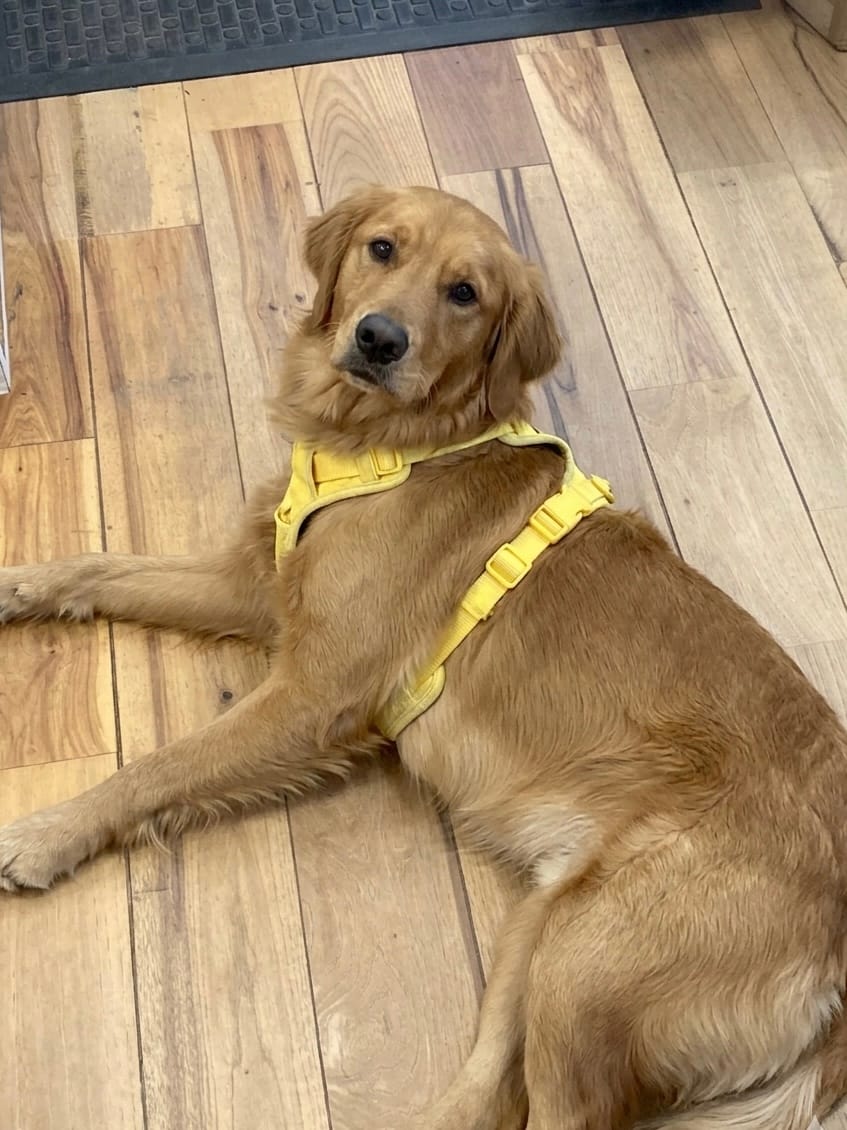
The method is identical for adult dogs — the main difference is that an adult dog that has been pulling for three years has deeply established pulling habits that take longer to override than a puppy that has been pulling for three weeks. That’s it. Adult dogs absolutely learn new leash behaviour; it just requires more patience and more consistency than with a younger dog.
Rescue dogs often come with unknown leash histories — some have never been on a leash at all, others have been walked on choke chains that made pulling a physical battle. In both cases, start from Step 1 as if the dog has no leash experience, regardless of age. A newly adopted dog is also processing a completely new environment, which uses significant mental and emotional energy — keep early training walks short, low-distraction, and very well rewarded.
Using a front-clip harness from day one with a rescue dog gives you a manageable starting point — you’re not fighting pulling force while also trying to establish basic communication with a dog you’ve had for two weeks. The harness manages the physical reality while you build the training foundation. For how to fit it correctly from the first day, see our no-pull harness fitting guide.
The Right Equipment Makes Training Easier
The MoonianPet No-Pull Dog Harness gives you mechanical support during the training process — the front-clip chest D-ring redirects pulling momentum, reducing how hard you have to work physically while you’re establishing the loose-leash habit. Lightweight neoprene construction, zinc alloy hardware throughout, and three-point independent adjustment for a precise fit on any body shape. Available in five sizes and 11 colours.
For the leash, the MoonianPet Waterproof Dog Leash is PVC-coated — odour-proof, easy to wipe clean after training walks in wet or muddy conditions, and comfortable to hold for extended stop-and-reward sessions. Both together as a Harness & Leash Set if you want the matched setup from the start.
Frequently Asked Questions
How long does it take to leash train a dog?
Most dogs show meaningful improvement within four to six weeks of consistent daily training. Reliable loose-leash walking in a variety of environments — including busy streets and parks — typically takes two to three months. Dogs that have been pulling for years take longer than puppies. Consistency matters more than session length: five minutes of properly applied training daily produces better results than one hour per week.
Should I use a harness or collar for leash training?
A front-clip harness is the recommended choice for leash training — it provides a mechanical assist that reduces pulling during the training period, and it keeps leash tension off the trachea and neck during the repeated stops and direction changes of a training session. A collar keeps leash pressure directly on the neck, which is uncomfortable during training and potentially harmful on dogs that pull hard. See our collar vs harness guide for a full comparison.
My dog pulls so hard I can’t stop them. What should I do?
Start training in an environment with fewer distractions — the garden, a quiet hallway, a low-traffic street early in the morning. A dog that pulls uncontrollably outdoors may be perfectly manageable indoors, and starting there gives you a foundation to build on. A front-clip harness also significantly reduces the mechanical force of pulling. If the dog is so reactive to the outdoor environment that training is impossible even in quiet locations, a certified trainer or behaviourist can help identify what’s driving the intensity and build a specific plan.
Can old dogs learn to walk on a loose leash?
Yes — old dogs absolutely learn new leash behaviour. The method is the same; the timeline is longer because established habits take more repetitions to override. Senior dogs may also have joint discomfort that affects their gait — a veterinary check before starting leash training with an older dog is worth doing, to confirm that walking is comfortable and the dog isn’t pulling partly because of pain-related movement patterns.
Is it okay to let my dog sniff on walks while training?
Yes — sniffing is a natural and mentally enriching behaviour for dogs, and suppressing it entirely makes walks less satisfying and the dog more frustrated. The key is controlling when sniffing happens, not eliminating it. Cue “go sniff” when you reach a spot you’re happy for them to explore, let them sniff for a moment, then cue “let’s go” and reward them for coming back into position. Sniffing becomes a reward in itself for walking well, rather than something that competes with training.
Once your dog is walking well on the leash, the next step is making sure the harness fits correctly for every walk. Our no-pull harness fitting guide covers every adjustment point. For choosing the right harness type for your dog’s specific needs, see our types of dog harnesses guide.
Wenyue
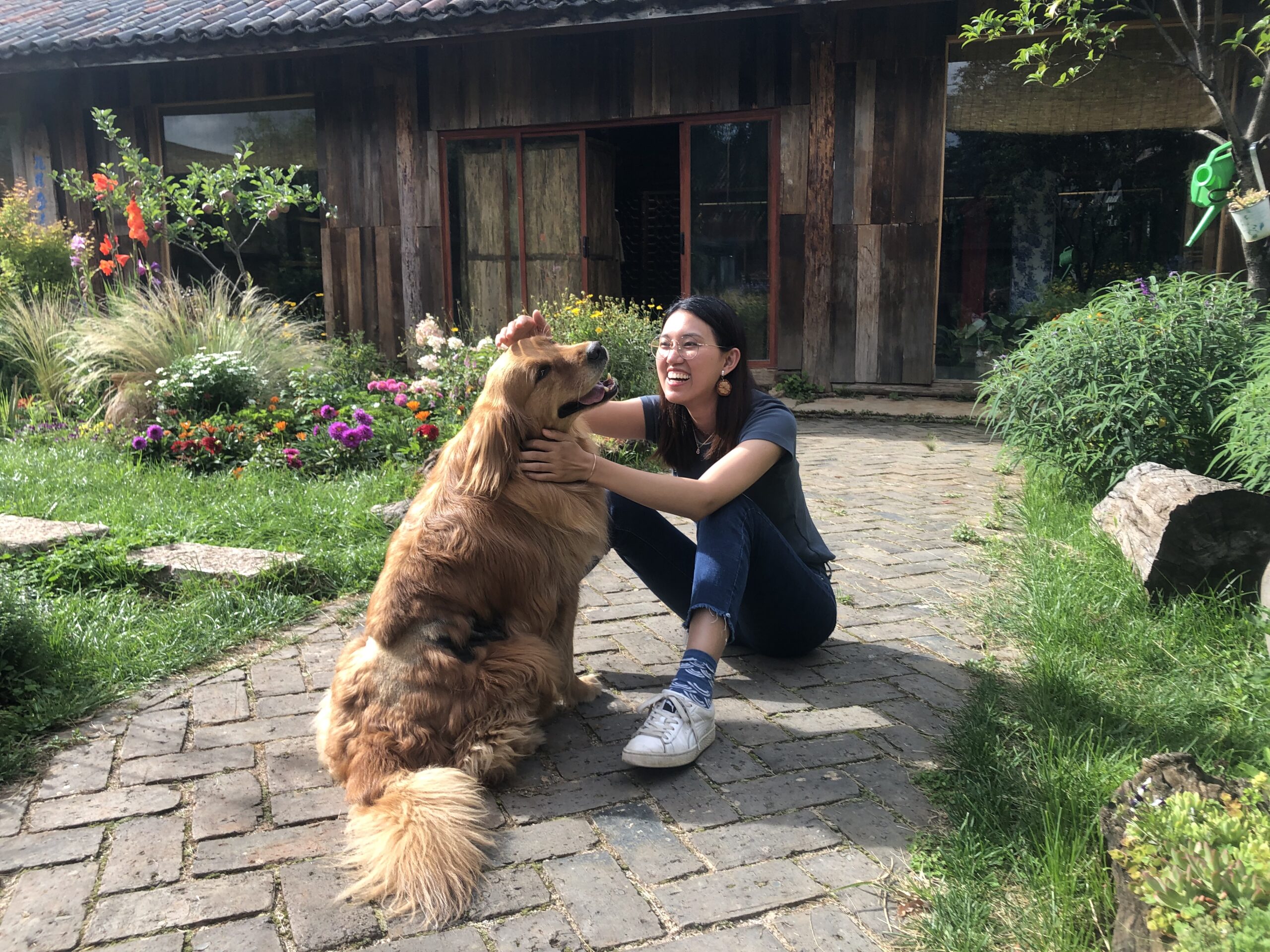
Wenyue is the founder of MoonianPet and writes about dog collars, harnesses, waterproof pet gear, and everyday dog care. Growing up with dogs inspired her lifelong interest in pet care and practical dog gear. Through MoonianPet, she researches dog collars, harnesses, waterproof materials, and everyday solutions that help active dogs stay comfortable during daily adventures.